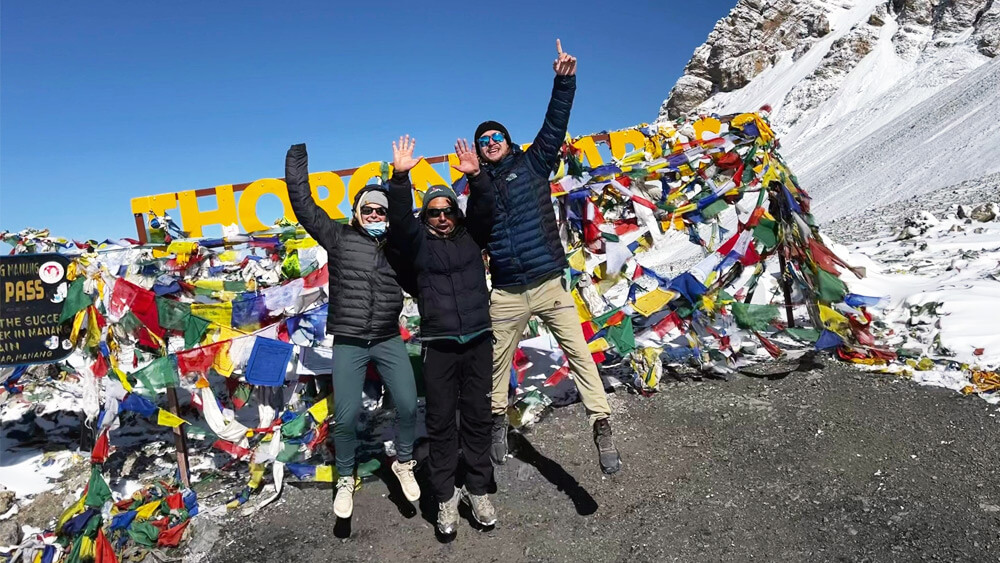
Why Choose Trekking in Nepal?
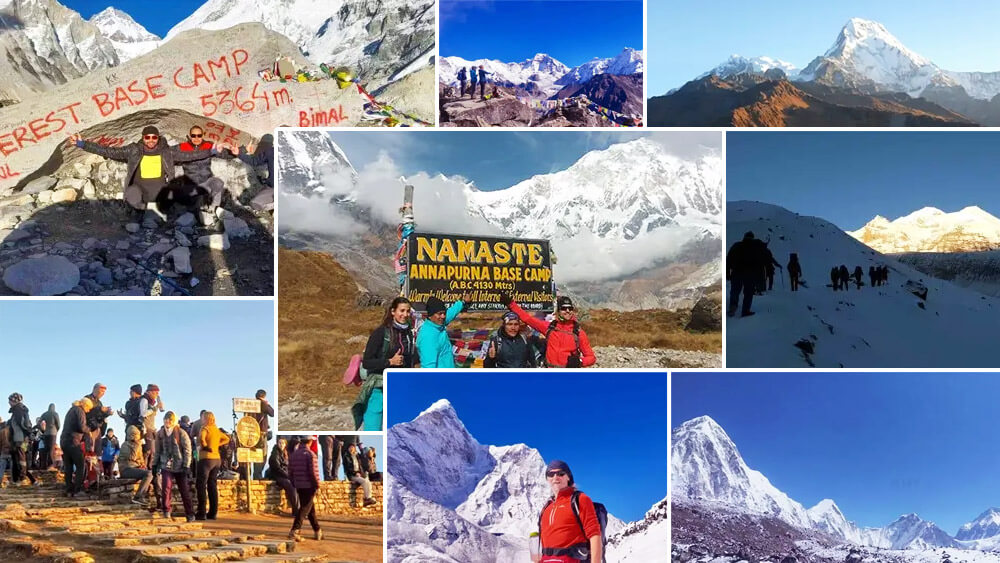
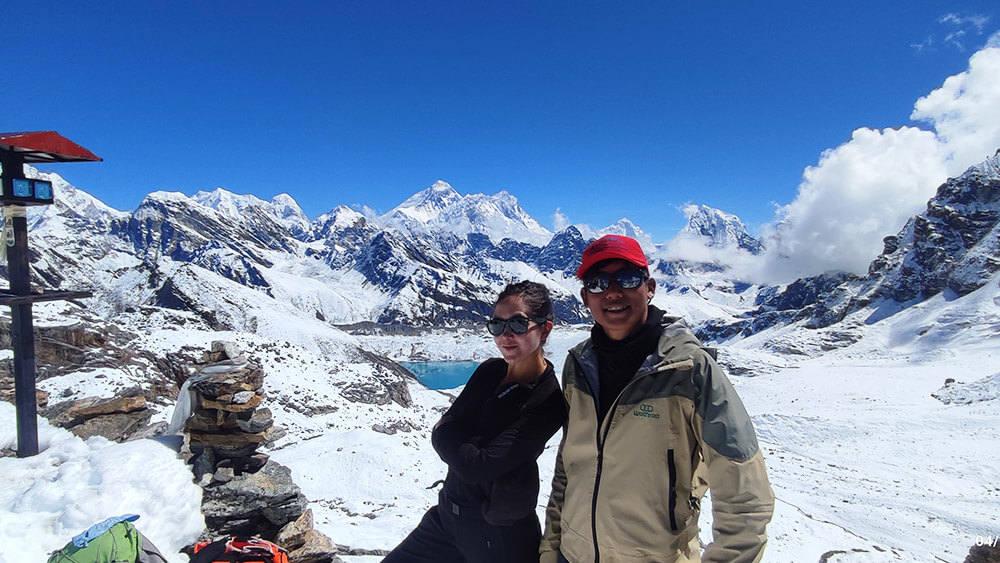
Nepal is home to 8 of the 14 highest peaks on Earth, including Mt. Everest (8848.86 m), and offers a landscape and cultural diversity that few places in the world can match.
Here’s what makes trekking in Nepal so unique:
-
Breathtaking Mountains: The Himalayas are your constant backdrop dramatic, humbling, and inspiring.
-
Rich Culture: Walk through remote villages, visit ancient monasteries, and experience the warm hospitality of ethnic groups like the Sherpa, Gurung, and Tamang.
-
Trek for Every Level: From short treks in Nepal for beginners to high-altitude expeditions, there’s something for everyone.
-
Accessibility: Start your trekking in Nepal from Kathmandu with ease—most trails are just a short flight or drive away.
Who Is Trekking in Nepal For?
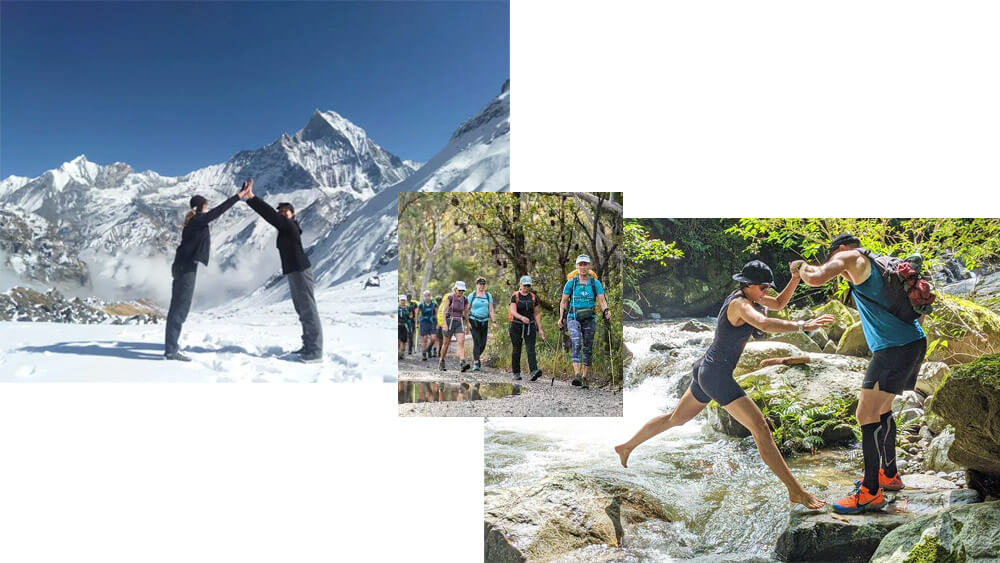
Trekking in Nepal is for anyone with a love for nature, culture, and adventure. Whether you're a first-time hiker or seasoned mountaineer:
-
Beginners can enjoy treks in Nepal for beginners like Ghorepani Poon Hill or Langtang Valley.
-
Experienced hikers can challenge themselves with high-altitude treks like the Manaslu Circuit or Everest Three Passes.
-
Nature lovers & photographers will be enchanted by Nepal’s landscapes.
-
Spiritual seekers often choose yoga trekking in Nepal for inner peace and Himalayan serenity.
We also help you choose travel insurance for trekking in Nepal to keep your journey safe and worry-free.
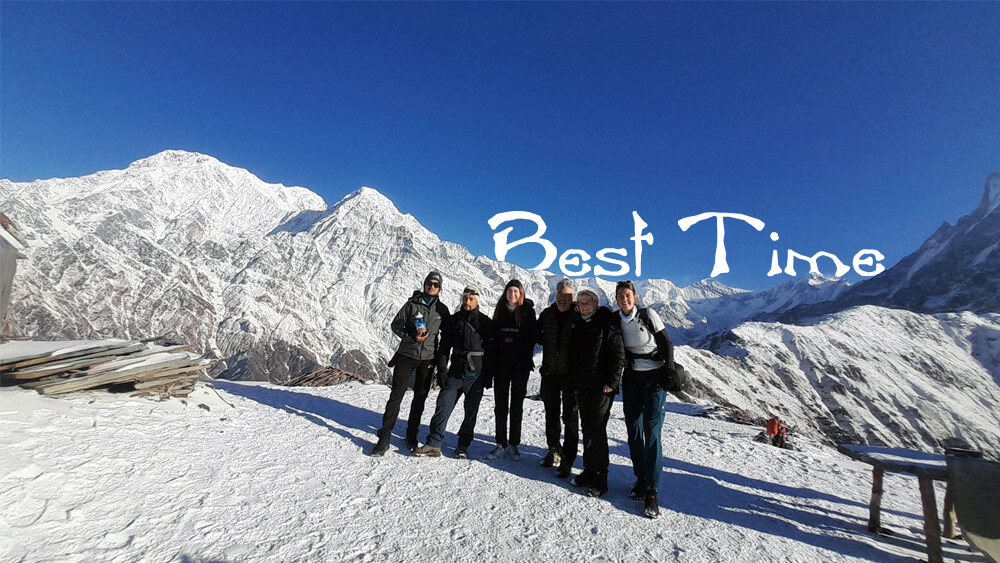
Best Time for Trekking in Nepal
Each season in Nepal offers a different trekking experience, depending on what you’re looking for:
-
Spring (March to May): This is one of the most popular trekking seasons. Trails are alive with blooming rhododendrons, the weather is pleasant, and mountain views are often clear and stunning.
-
Autumn (September to November): Considered the best time for trekking in Nepal, with excellent visibility, stable weather, and vibrant cultural festivals like Dashain and Tihar along the way.
-
Winter (December to February): Great for those who prefer fewer crowds. While high-altitude areas can be snowy and cold, it’s perfect for short trekking in Nepal at lower elevations.
-
Monsoon (June to August): The rainy season brings lush greenery and fewer trekkers on the trails. Ideal for exploring rain-shadow areas like Upper Mustang and Dolpo.
For most treks, the best seasons are spring and autumn, offering ideal weather and breathtaking Himalayan views.
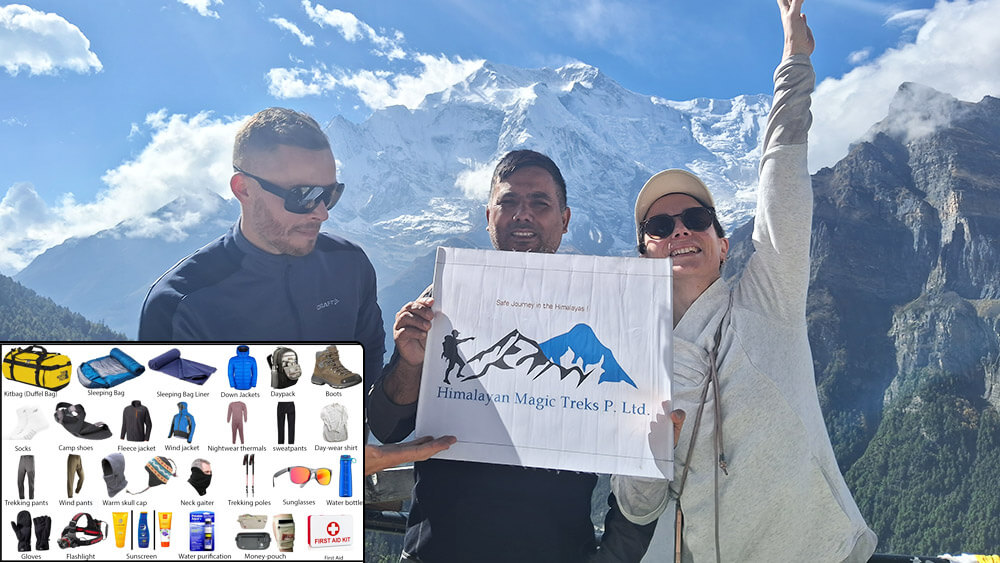
Why Choose Us—Himalayan Magic Treks
We are more than a trekking company—we’re your local adventure partner.
-
15+ Years of Expertise: Founded by experienced guides passionate about sharing Nepal.
-
Personalized Service: From sustainable trekking in Nepal to private group trips, we tailor the experience to you.
-
Safety First: Certified guides, well-planned itineraries, and proper acclimatization.
-
Giving Back: We support local communities and promote responsible tourism.
Learn more about how we work: Why Choose Us
Ready to Start Your Himalayan Journey?
Explore our trekking packages, or let us help you craft a custom adventure in the mountains of Nepal.
View Our Treks
Frequently Asked Questions (FAQ)
1. Is trekking in Nepal safe?
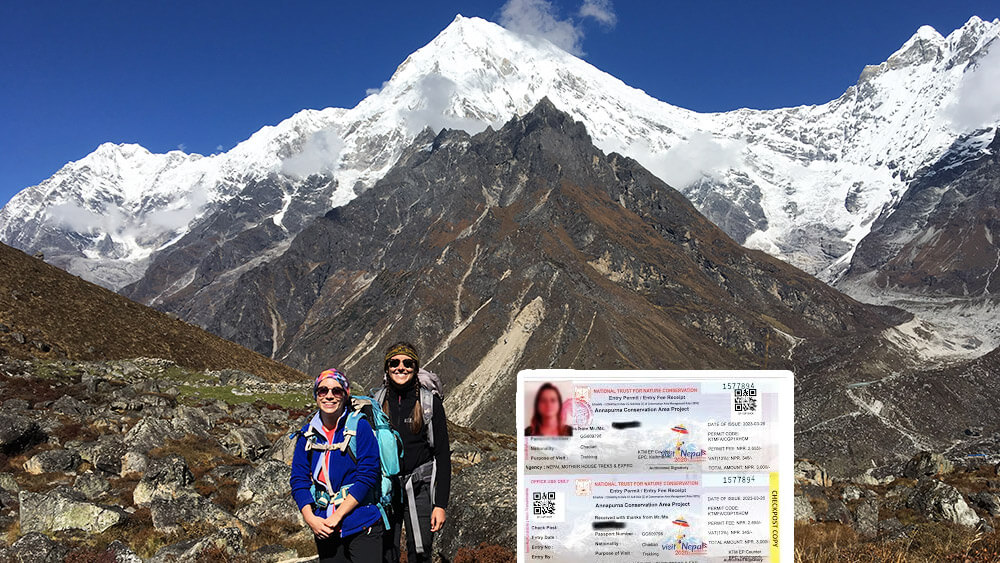
Yes, especially with experienced local guides. We offer safe, well-planned treks and help you with permits, insurance, and acclimatization.
2. What’s the best trek for beginners in Nepal?
Ghorepani Poon Hill, Langtang Valley, and Annapurna Base Camp are excellent choices for first-timers.
3. Do I need travel insurance for trekking in Nepal?
Yes. It’s highly recommended, especially for high-altitude treks. Make sure it covers emergency evacuation.
4. What kind of accommodation is available during trekking?
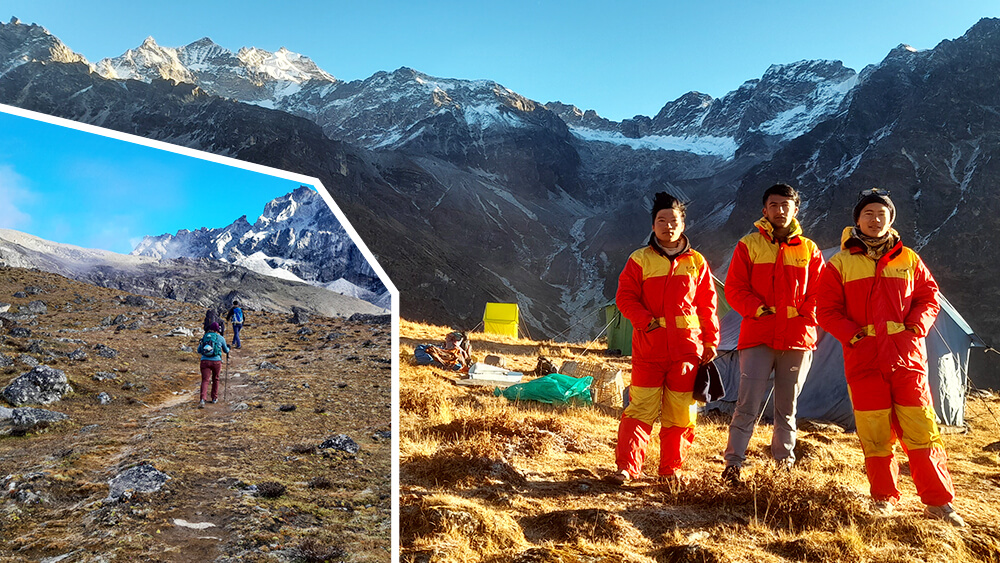
Mostly teahouses, which offer simple rooms and local meals. Some treks may include lodges or camping, depending on the route.
5. Can I do yoga and trekking together?
Yes! Our yoga trekking in Nepal programs blend physical activity with mindfulness and relaxation.