
Destination
Nepal

Quick Contact

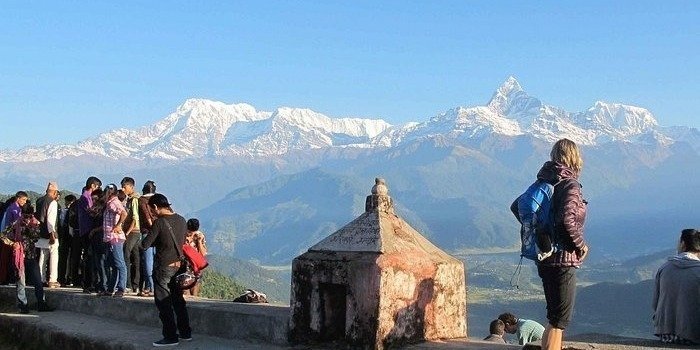
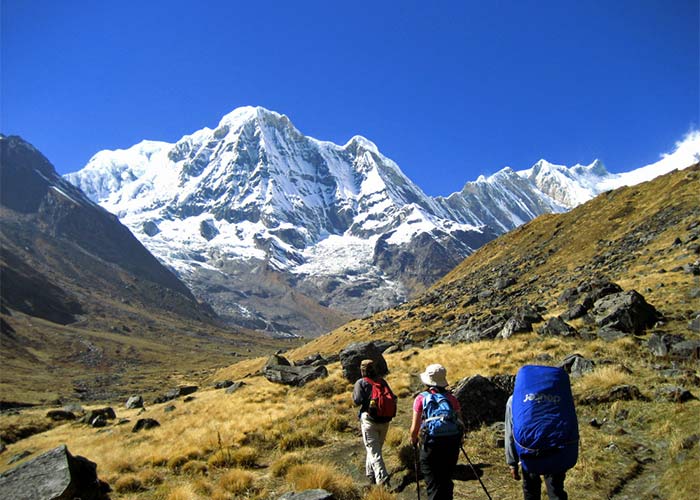
Begin on a breathtaking 10-day adventure to the heart of the Himalayas with our Annapurna Base Camp Short Trek, a condensed yet unforgettable journey through lush forests, charming Gurung villages, and towering snow-capped peaks. Designed for those with limited time but a deep desire for high-altitude beauty, this trek takes you all the way to Annapurna Base Camp (4,130m), where the panoramic views of Annapurna I, Machhapuchhre, and Hiunchuli will leave you awestruck.
Who the Trip is For
This trek is ideal for adventure seekers and nature lovers who want to experience the grandeur of the Himalayas in just one week and half. You should be in moderate physical shape, comfortable with 5–6 hours of walking per day, and excited to immerse yourself in the raw beauty of Nepal. Whether you're a first-time trekker or a seasoned hiker short on time, the ABC Short Trek offers the perfect balance of challenge, comfort, and reward.
What Makes It Special
Unlike longer treks, this Annapurna Base Camp Short Trek is crafted to give you the full Himalayan experience in just 10 days, without rushing through nature’s wonders. It blends breathtaking mountain views with rich local culture, staying in authentic teahouses and guided by our experienced local team with 15+ years of expertise. You’ll follow a well-paced itinerary that avoids altitude sickness while maximizing scenic immersion. Perfect for travelers who want big adventure in a short timeframe.
Starting Point → Main Destination → End Point
Start: Pokhara
Main Destination: Annapurna Base Camp (4,130m) via Ghandruk, Chhomrong, Machhapuchhre Base Camp
End: Pokhara
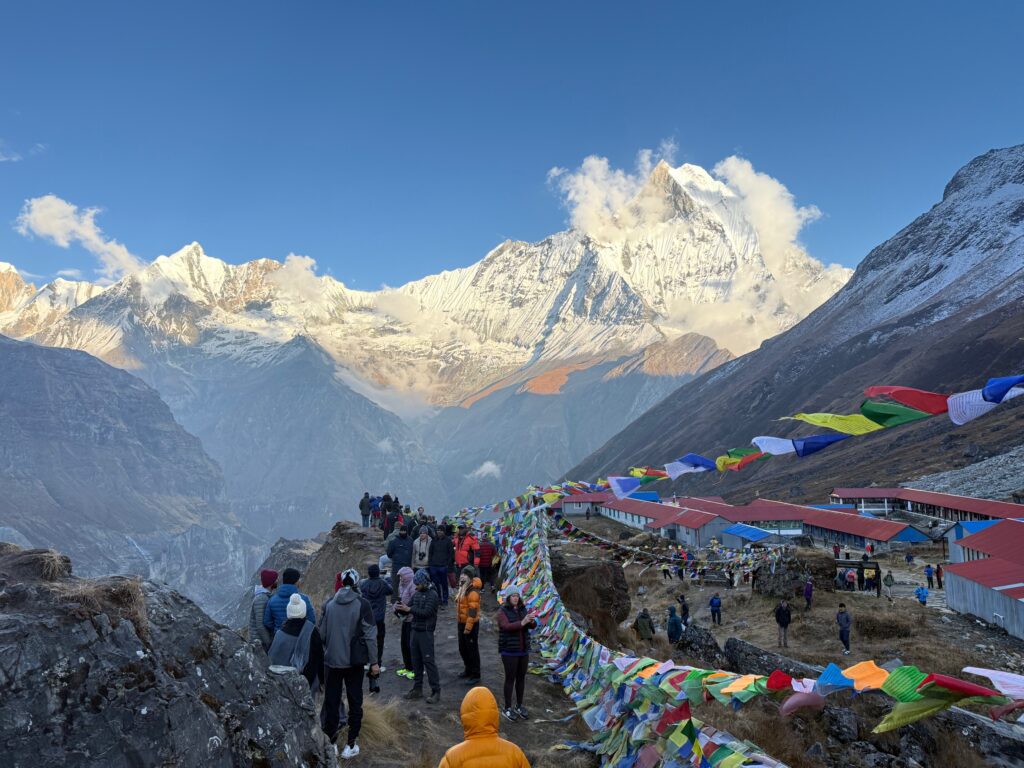
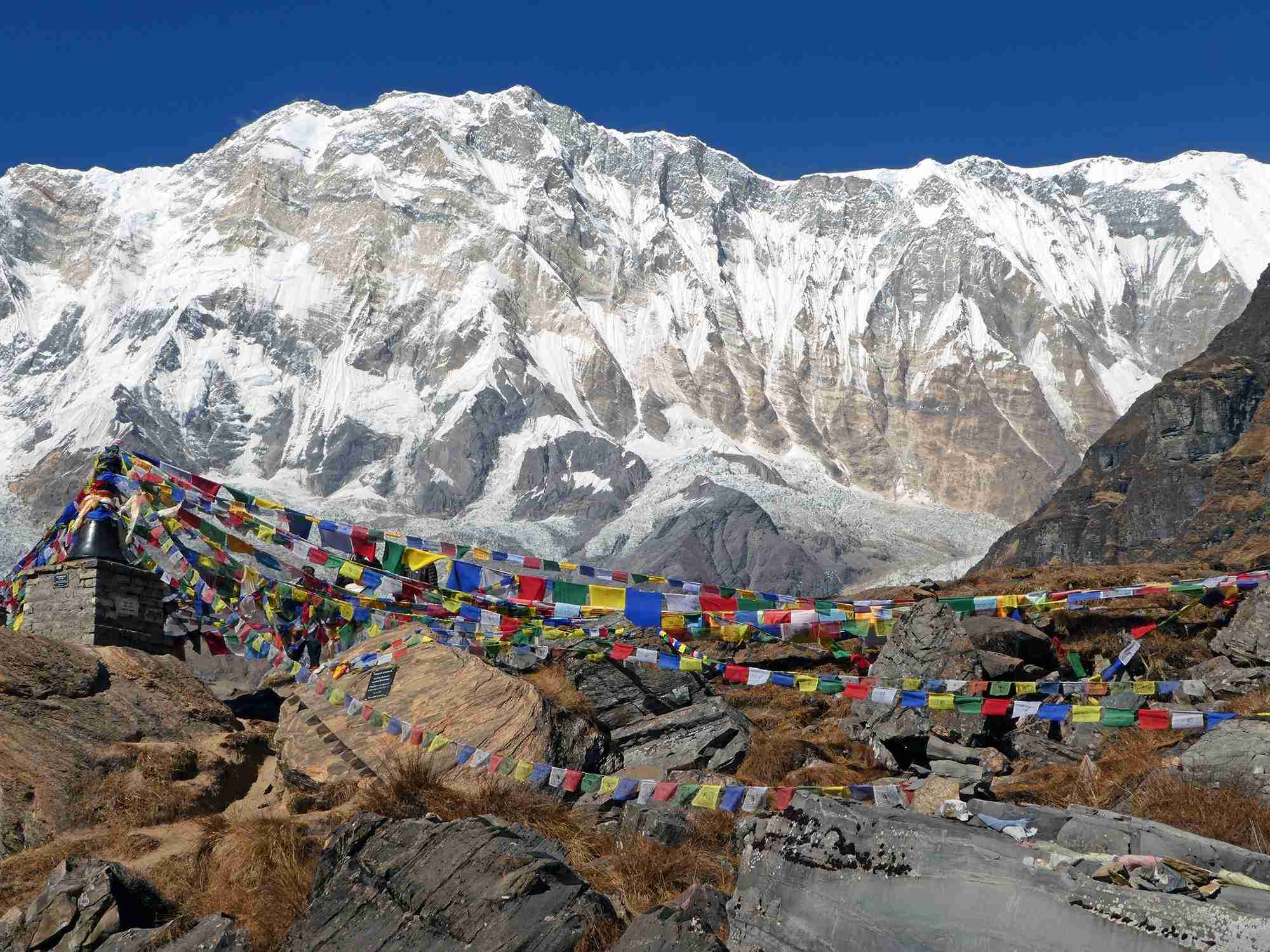
The Annapurna Base Camp Mini Trek is a fast-paced journey that takes you deep into the heart of Nepal’s majestic Himalayas in just seven days. This immersive adventure begins with a scenic drive from Pokhara to Nayapul and gradually leads you through charming mountain villages like Ghandruk and Chhomrong, lush rhododendron forests, and across glacial rivers carved by time and altitude. As you ascend, the landscape transforms, subtropical greenery gives way to alpine meadows, rocky ridges, and ultimately, the awe-inspiring amphitheater of Annapurna Sanctuary. Here, at Annapurna Base Camp (4,130m), you’ll be surrounded by towering peaks including Annapurna I, Machhapuchhre (Fishtail), Hiunchuli, and Annapurna South, a 360° panorama that truly takes your breath away.
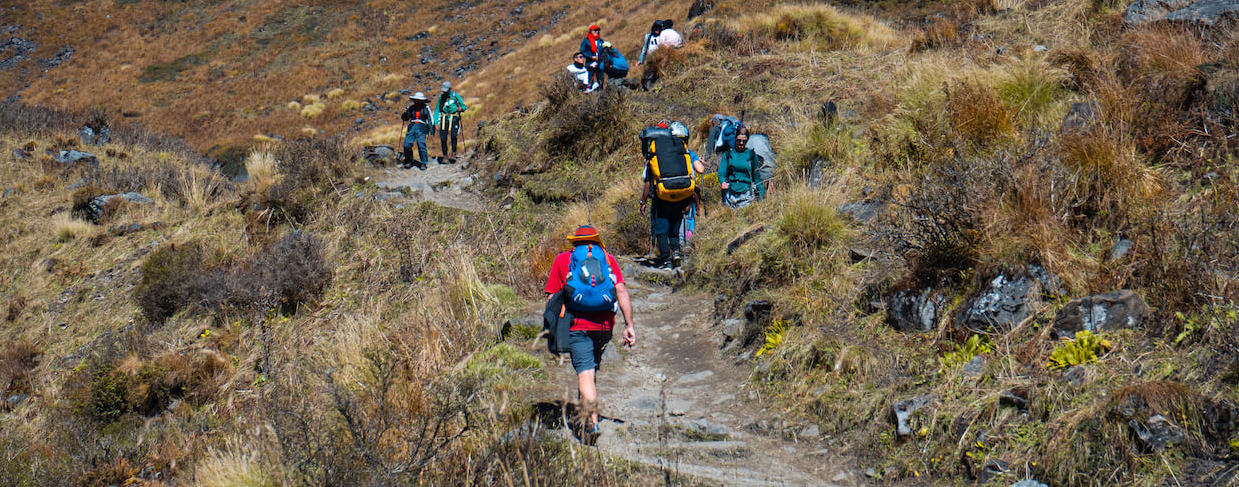
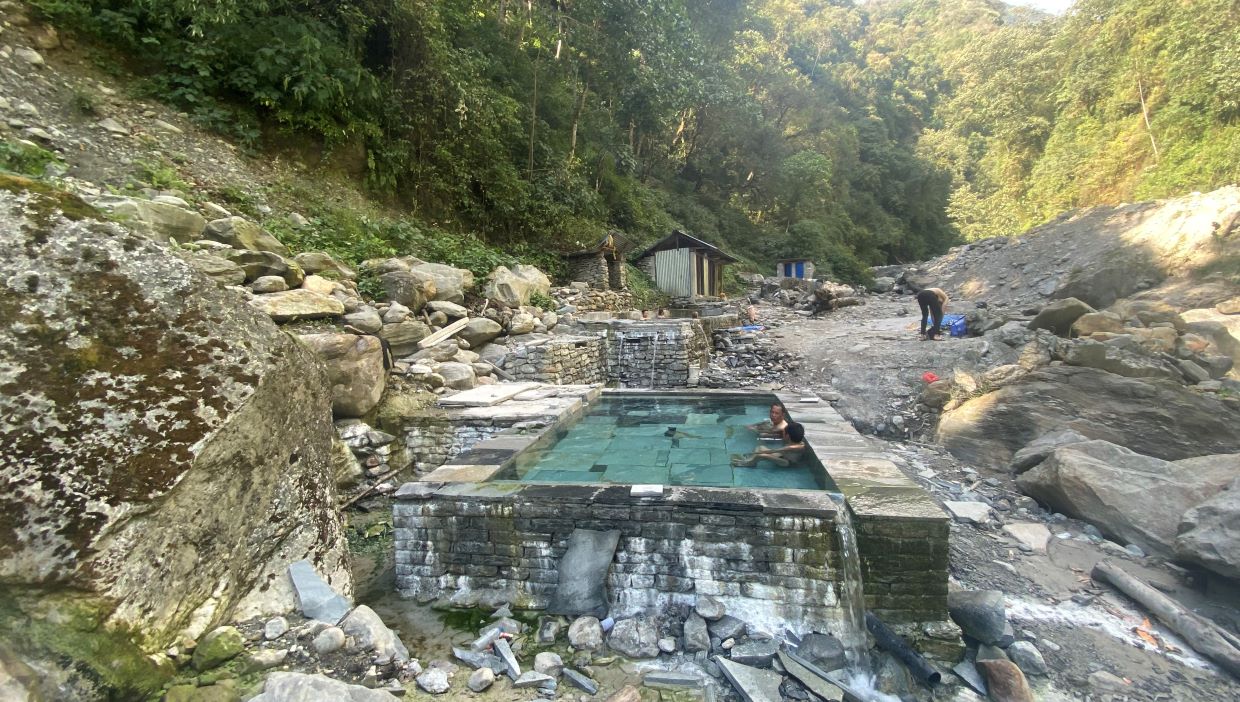
Throughout the trek, you’ll stay in traditional teahouses, experience the warm hospitality of the Gurung people, and get a taste of authentic Nepali mountain life. The trail is filled with prayer flags, waterfalls, forest canopies, and stunning viewpoints. While the route climbs steadily, the pace is designed to keep you comfortable, with 5 to 6 hours of trekking per day, balanced between physical effort and moments of rest and reflection. The descent brings another kind of reward, natural hot springs at Jhino Danda, where you can soak your legs while gazing at the river valley below.
Expect crisp mountain air, star-filled skies, and the soothing sound of distant rivers and rustling bamboo. This trek covers elevations from 1,050m to 4,130m, offering dramatic shifts in both climate and scenery, from warm lowlands to snow-dusted alpine zones. You’ll pass through Annapurna Conservation Area, a protected sanctuary rich in biodiversity, and witness a blend of spiritual culture and untouched nature.
Every step of the journey is carefully organized by Himalayan Magic Treks, ensuring your comfort, safety, and a truly enriching experience. Our expert guides and local team handle all logistics, so you can focus on the views, the culture, and the joy of trekking itself.
This is more than a short trek, it’s a compressed Himalayan adventure packed with natural wonders and cultural insights. By the end, you’ll carry home not just photos, but stories, friendships, and a renewed connection to the world’s greatest mountains.
We offer only private trips – meaning your journey is exclusively for you and your group. No strangers will join, allowing you to travel comfortably, enjoy personal attention, and make the trip truly yours. This private experience also gives you more freedom, flexibility, and a relaxed atmosphere throughout the adventure.
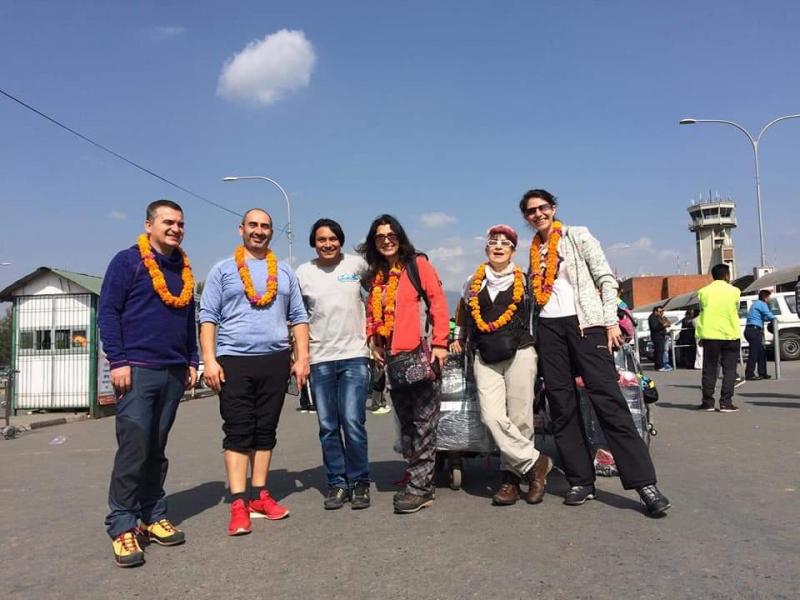
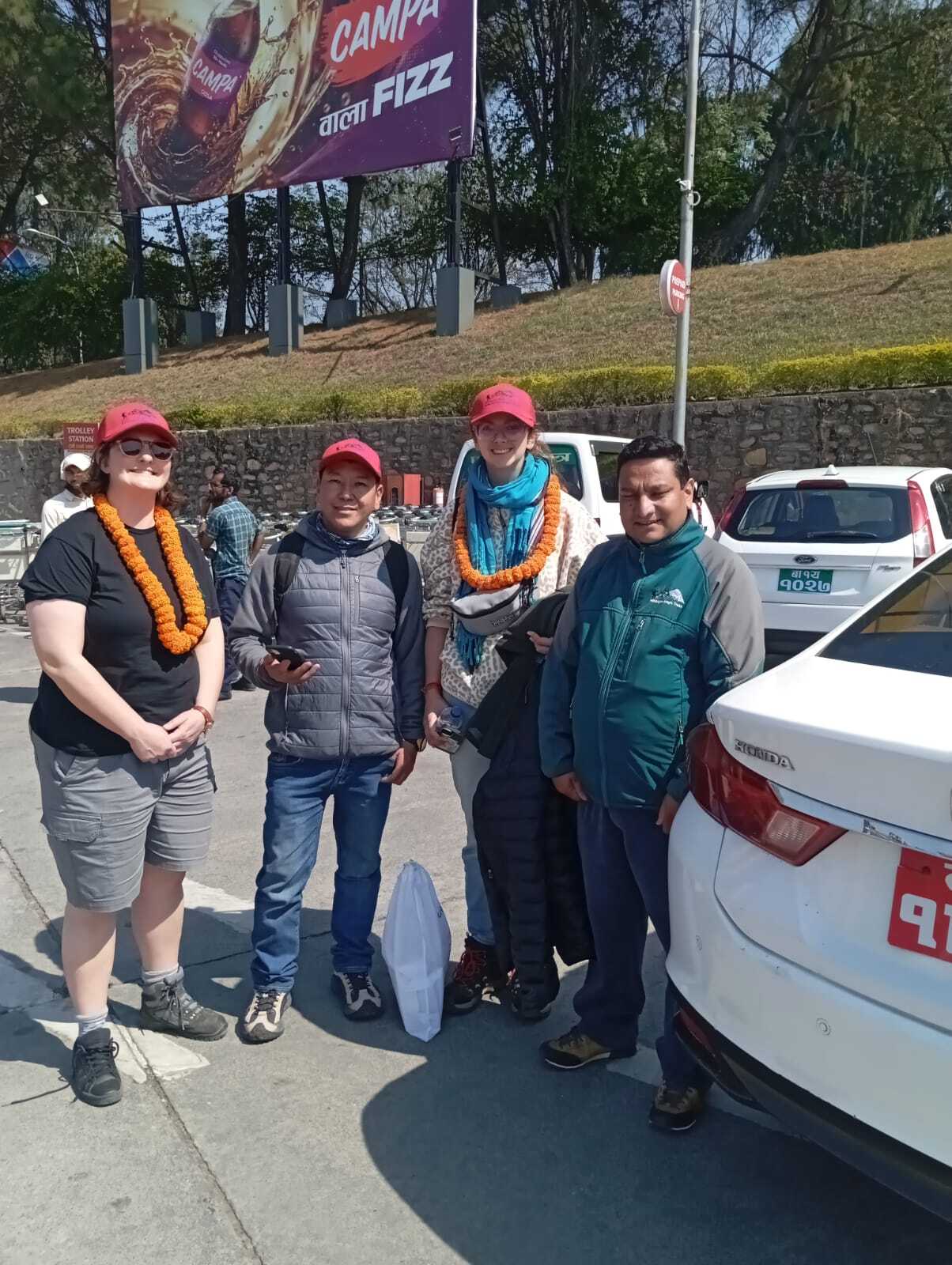
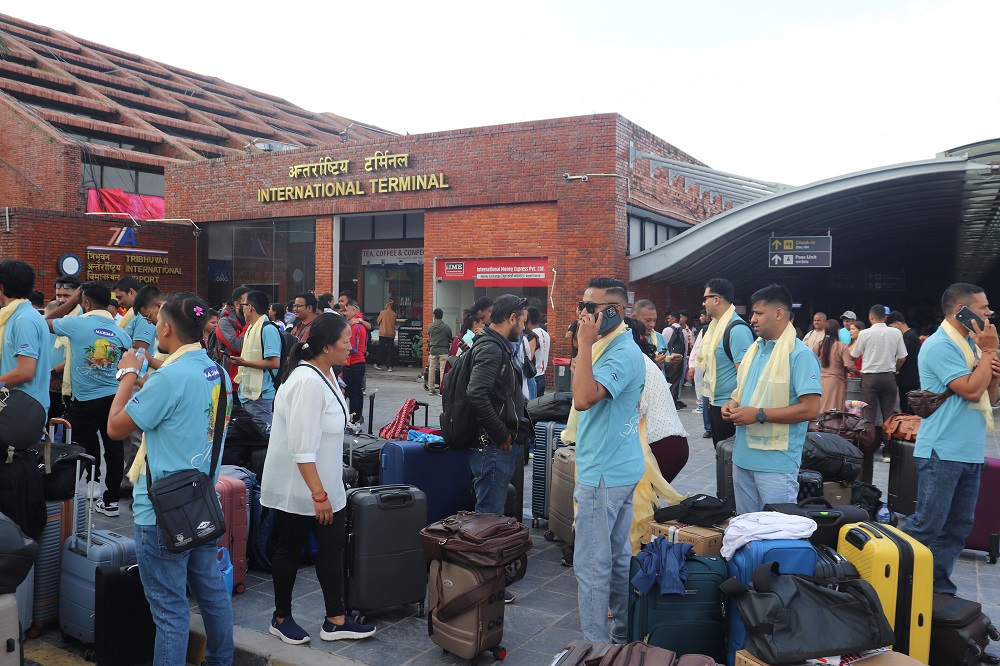
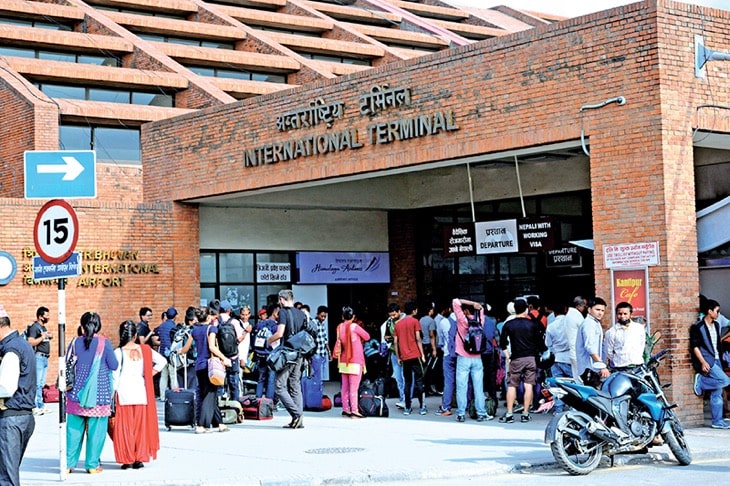
Upon your arrival at Tribhuvan International Airport, a representative from Himalayan Magic Treks will warmly welcome you and escort you to your hotel in Kathmandu. Once you're checked in, we’ll hold a pre-trip briefing where you’ll meet your guide and receive final instructions for the journey ahead.
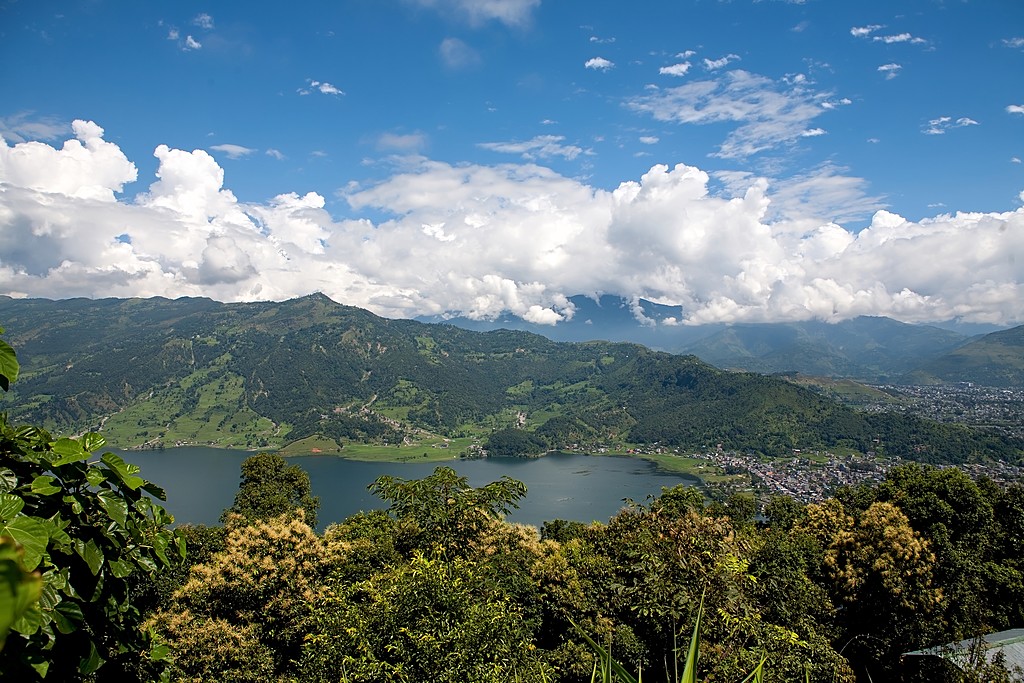
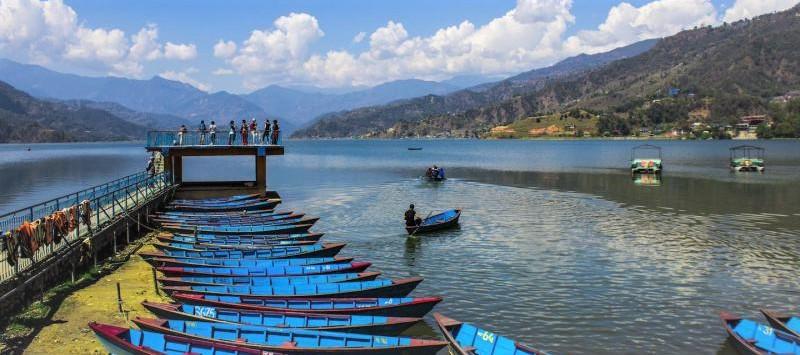
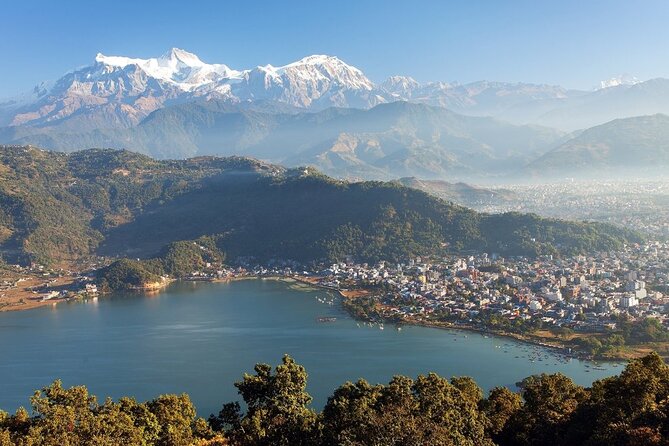
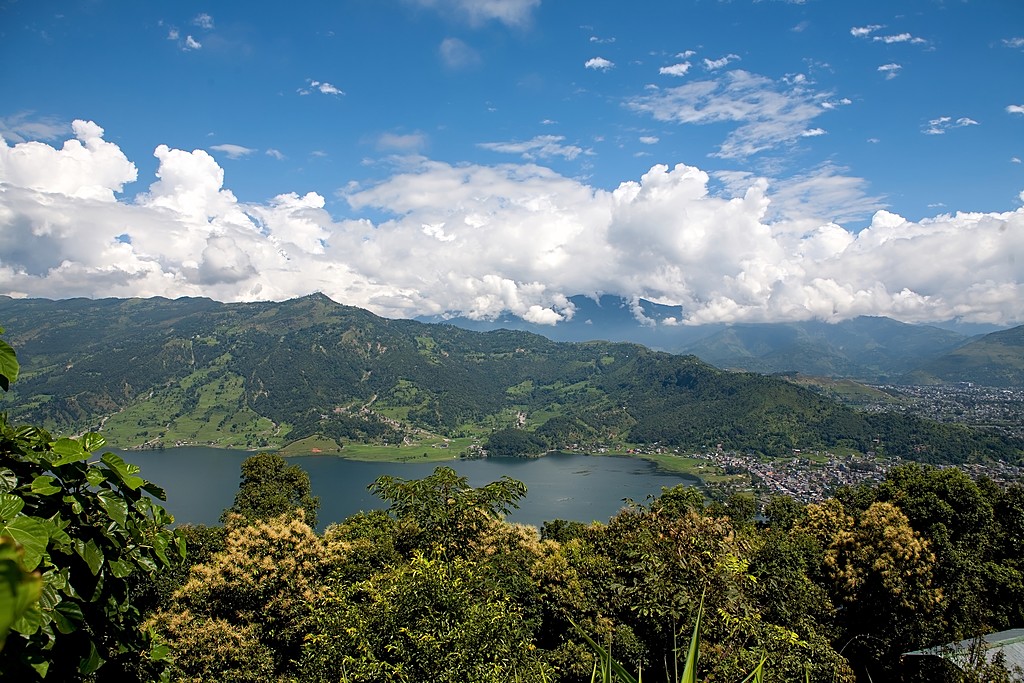
After an early breakfast, you’ll board a comfortable tourist bus for the scenic drive to Pokhara. The route follows the Trishuli and Marsyangdi Rivers, with views of terraced fields, hills, and distant mountains. Upon arrival, check into your hotel and enjoy a relaxing evening near Phewa Lake.
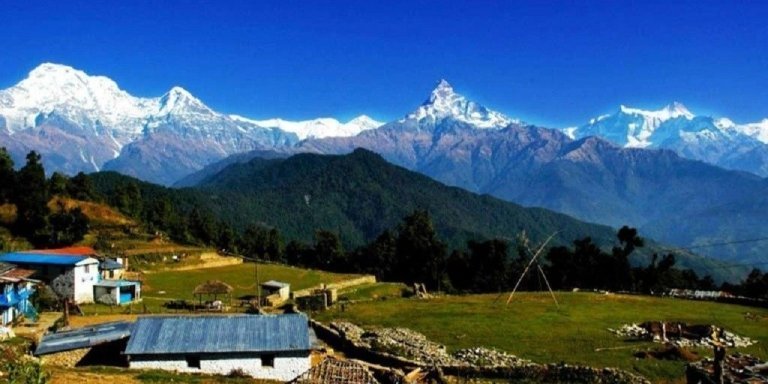
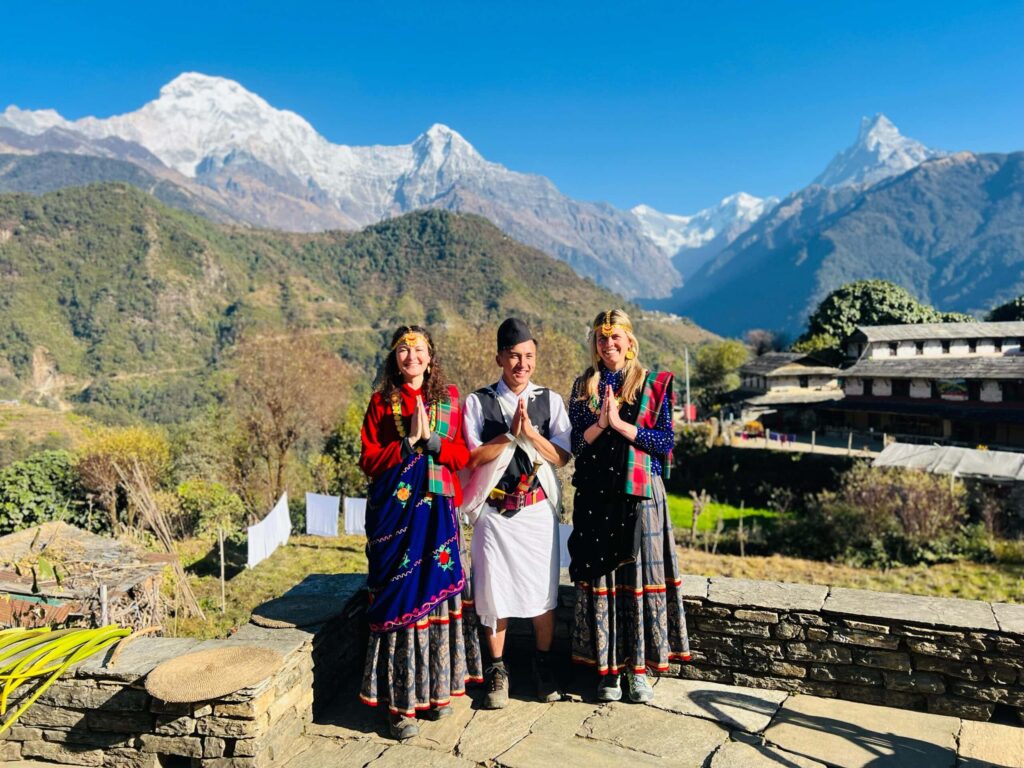
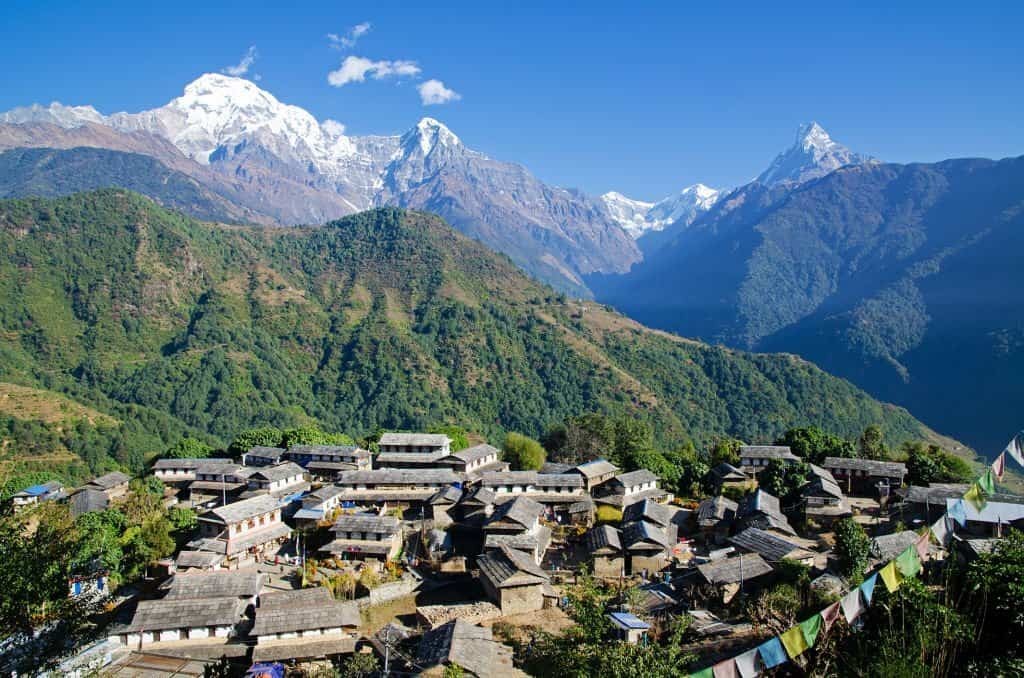
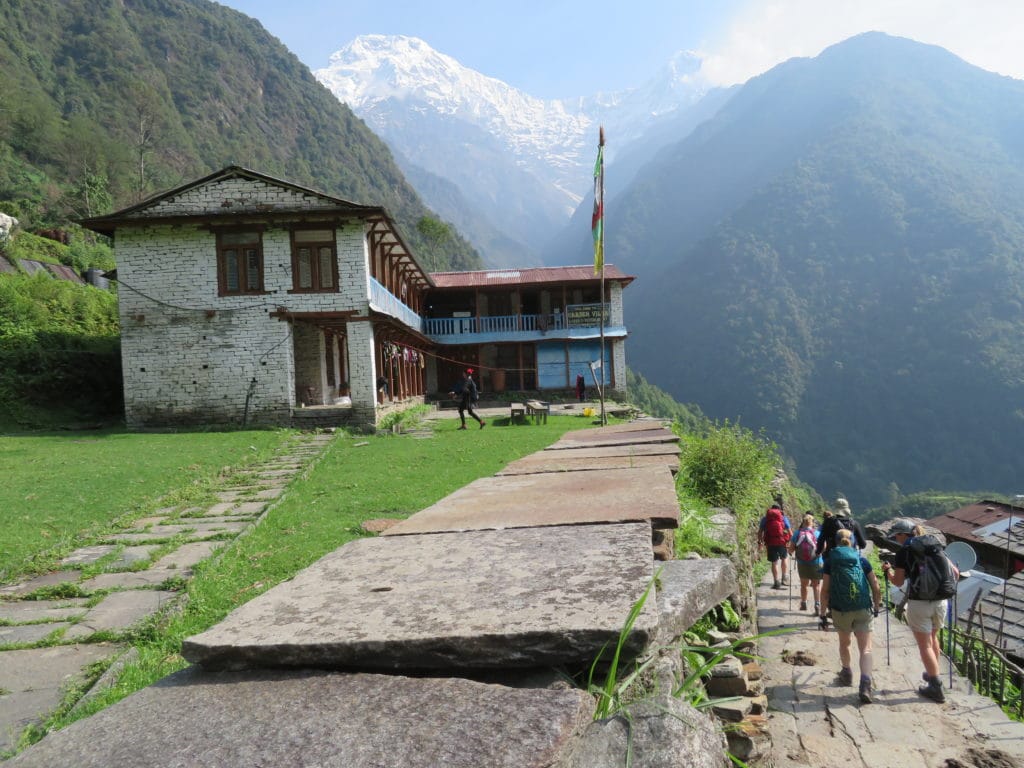
This morning, you’ll drive along the countryside to reach Syauli Bazaar, the starting point of your trek. From here, you’ll ascend gradually through stone steps, lush terraces, and forests to reach the picturesque Gurung village of Ghandruk—known for its traditional houses, warm hospitality, and stunning views of Annapurna South, Hiunchuli, and Machapuchare.
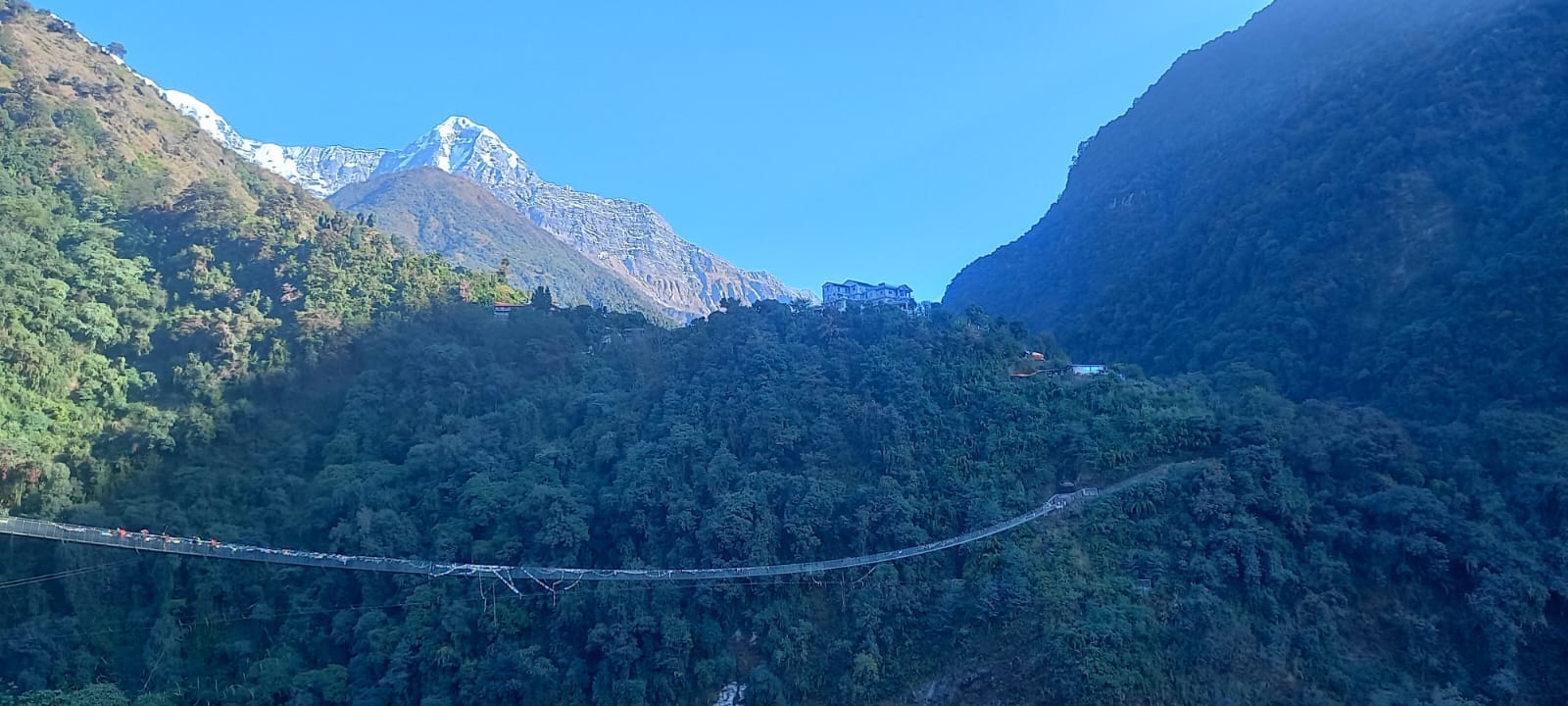
After breakfast, your trail descends slightly and then rises steeply through forests to reach the village of Chhomrong. From here, you’ll descend down to the Chhomrong Khola, cross a suspension bridge, and then climb up to Sinuwa. Expect panoramic views of the Annapurna massif along the way.
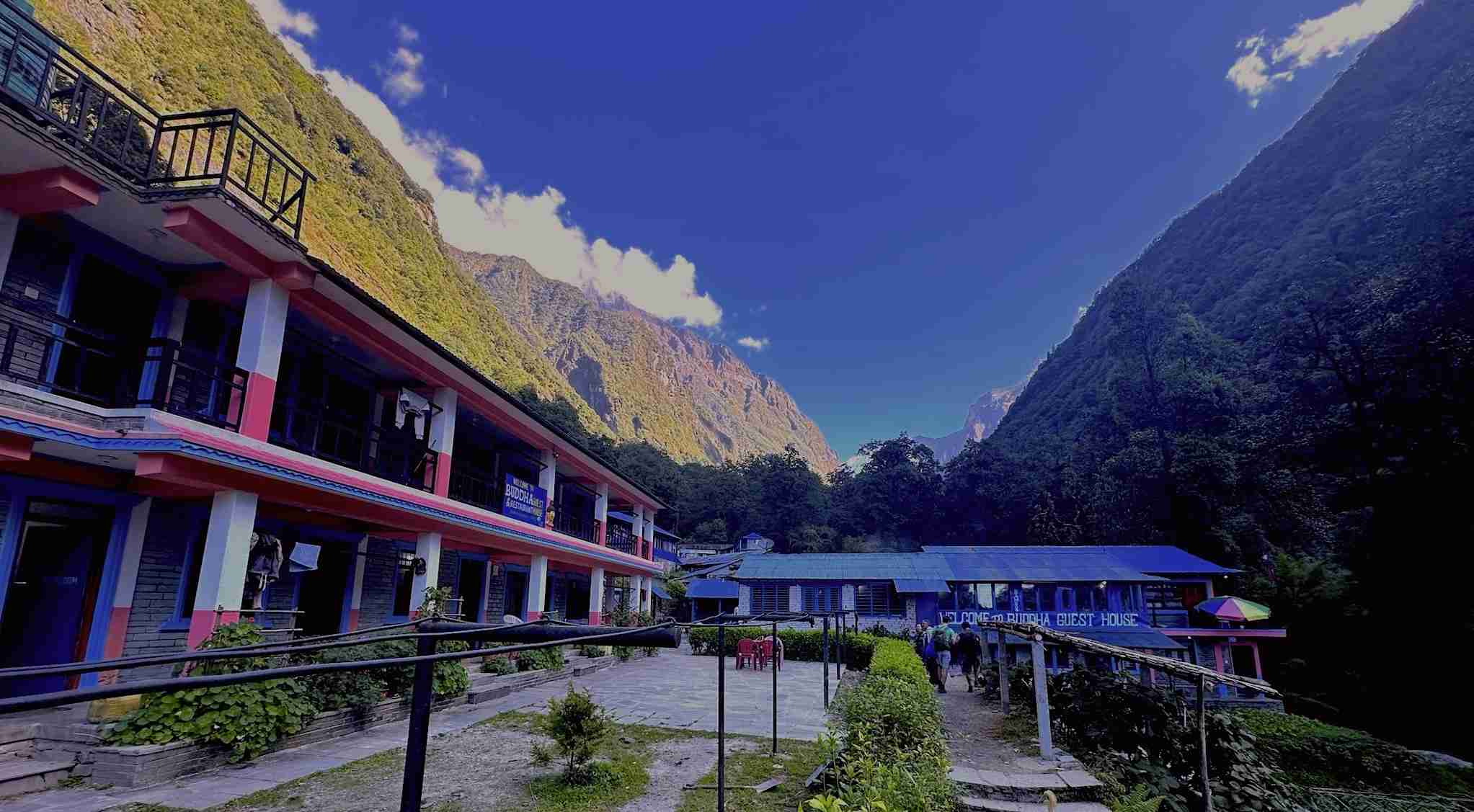
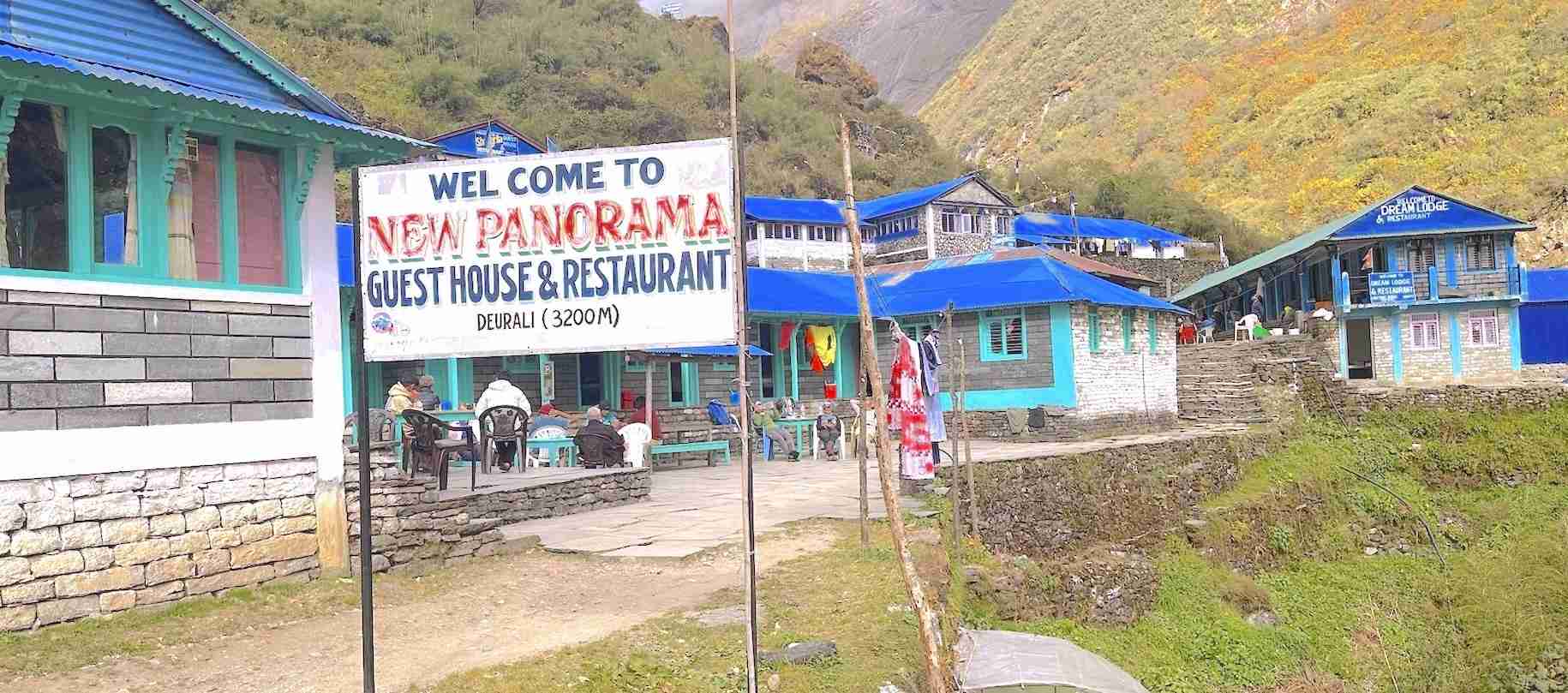
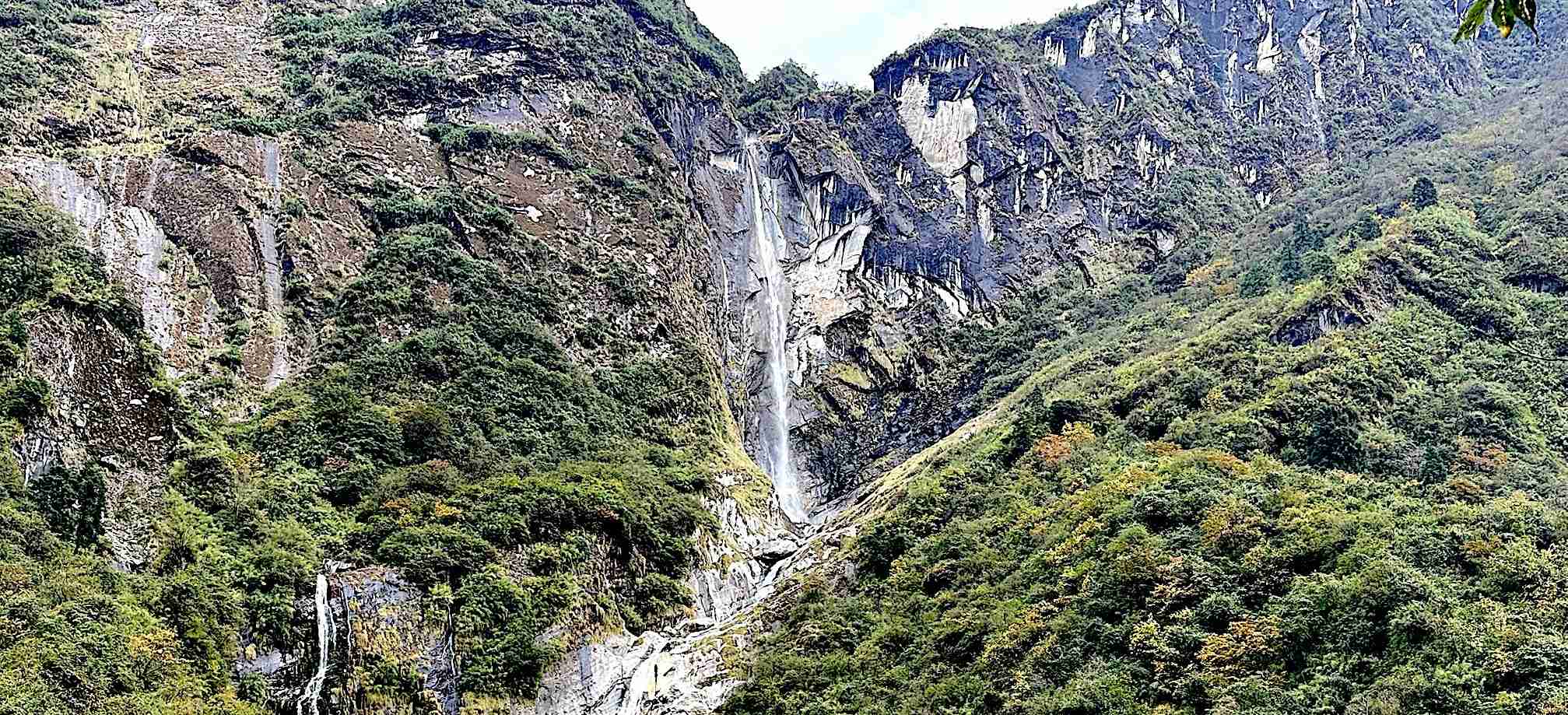
Today’s trail takes you deeper into the heart of the Annapurna region. You’ll trek through dense bamboo and rhododendron forests to reach Dovan, then continue alongside the Modi Khola river. As you climb higher, the vegetation thins, and the scenery becomes more dramatic. By late afternoon, you’ll reach Deurali, surrounded by steep cliffs and waterfalls.
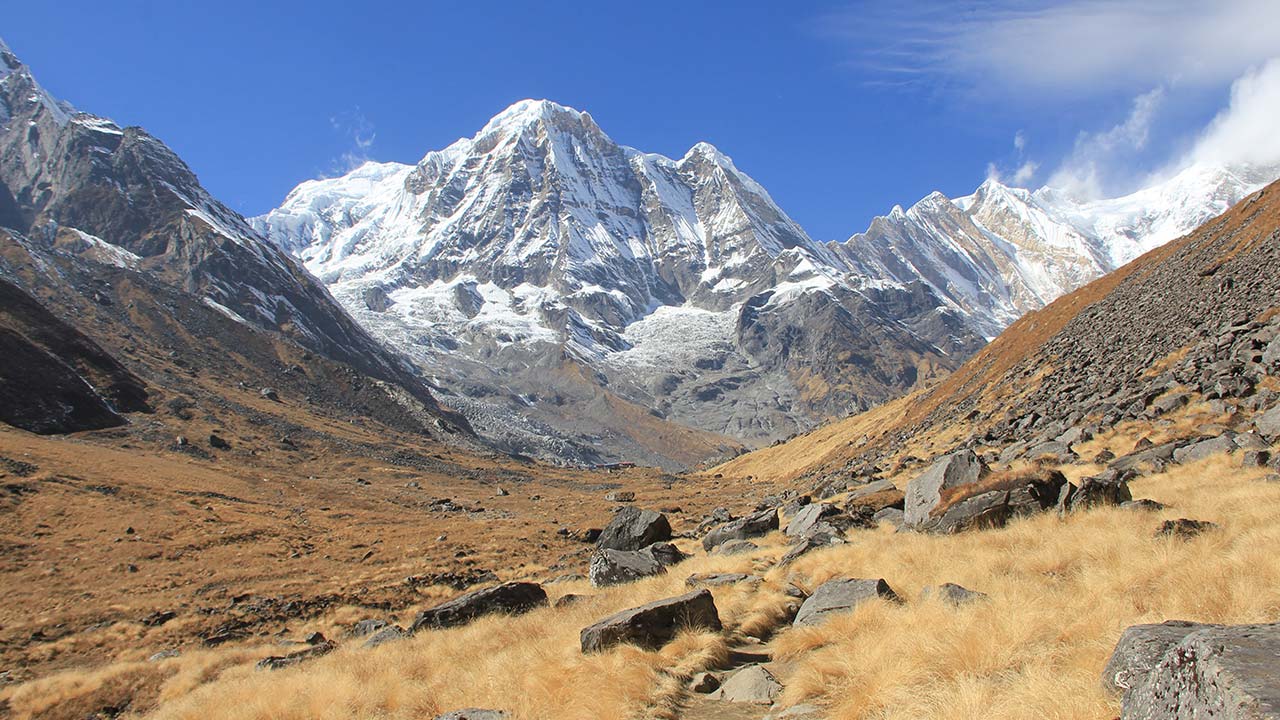
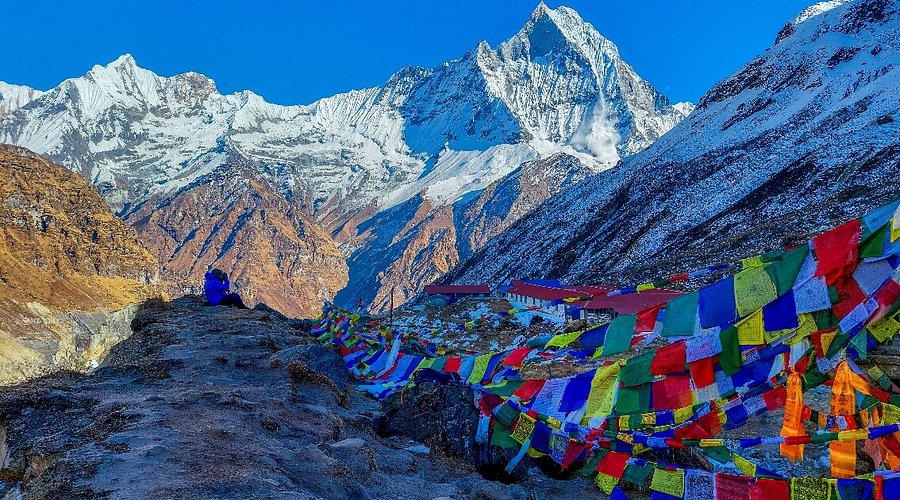
Today is the most exhilarating part of the trek. The trail ascends steadily past Machapuchare Base Camp (MBC), offering increasingly spectacular views. You’ll finally arrive at Annapurna Base Camp, a wide open amphitheater surrounded by some of the world’s highest peaks. Celebrate your achievement amidst the towering giants of the Himalayas.
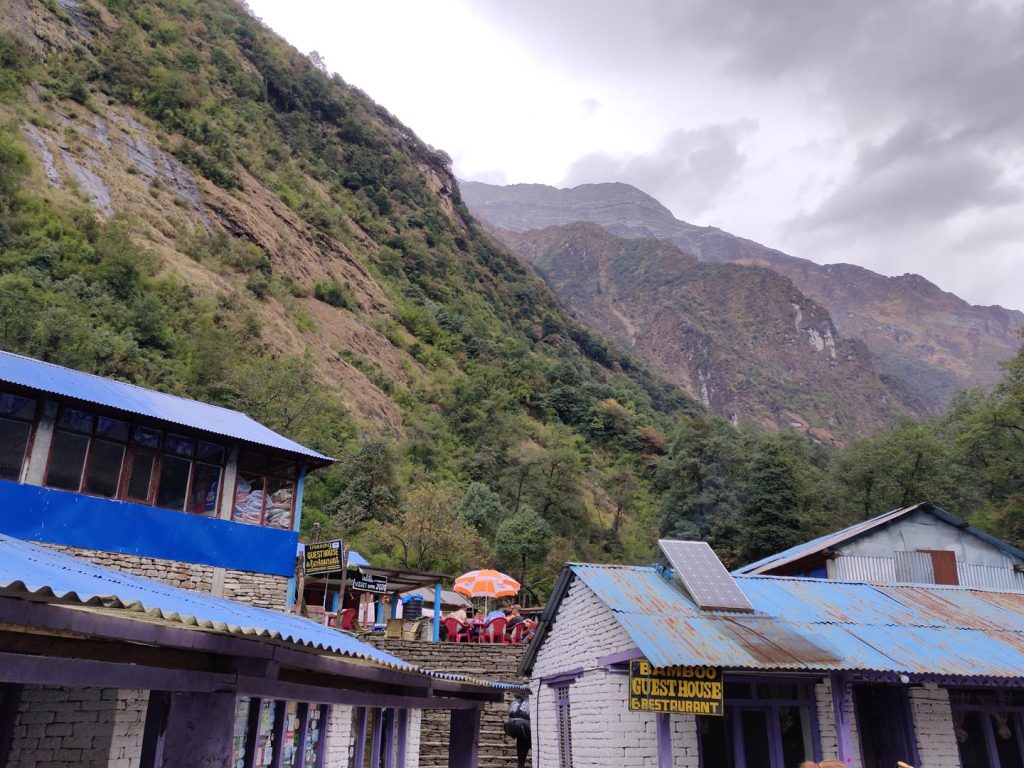
After witnessing a magnificent sunrise over the snow-capped peaks, you’ll begin your descent. Retrace your steps back down through MBC, Deurali, and Dovan before reaching Bamboo. The downhill trail is easier on the lungs but still requires careful footing.
Your final trekking day takes you through lush forests to Chhomrong and then downhill to Jhinu Danda, known for its natural hot springs. After a short rest, a jeep will transfer you back to Pokhara. Spend your evening enjoying the comforts of lakeside Pokhara after completing the trek.
Today, you’ll drive back to Kathmandu by tourist bus, soaking in the last glimpses of the countryside. Upon arrival, transfer to your hotel for a well-earned rest or optional souvenir shopping in Thamel.
After breakfast, we will transfer you to Tribhuvan International Airport for your onward journey. We hope you leave with incredible memories of the Annapurna Base Camp Trek and the hospitality of Himalayan Magic Treks.

We believe in offering a fair, transparent, and value-packed trekking experience. Our pricing reflects professional service, quality logistics, and ethical treatment of staff—all backed by our 15+ years of experience guiding treks in the Himalayas.
2 people: USD 700 per person
3 people: USD 675 per person
4 to 6 people: USD 650 per person
7 to 10 people: USD 625 per person
More than 10 people: USD 600 per person
Private departures and custom itineraries are also available upon request.
Government-licensed, English-speaking trekking guide
One porter for every 2 trekkers (max. 20kg per porter)
Accommodation in teahouses/lodges during the trek (twin-sharing basis)
All meals during the trek: Breakfast, Lunch, and Dinner
Private transportation from Pokhara to Nayapul and return
TIMS Card (Trekkers’ Information Management System)
Annapurna Conservation Area Permit (ACAP)
Group medical kit with basic first-aid supplies
Briefing and assistance before trek start
All government taxes and company service charges
What's Not Included
International airfare to/from Nepal
Nepal visa fee
Travel and medical insurance
Hotel in Pokhara before or after the trek (can be arranged separately)
Soft drinks, mineral water, alcoholic beverages
Snacks, personal items, and meals not mentioned
Hot showers, Wi-Fi, and charging fees during the trek
Tips for guide and porter (recommended but optional)
Personal trekking gear (clothing, boots, poles, sleeping bag, etc.)
Anything else not listed in the "included" section
Payment & Booking Info
A 30% deposit is required to confirm your booking
The remaining balance is payable before the trek begins, either in cash, bank transfer, or online payment
We accept major currencies (USD, EUR, GBP, NPR) and provide official receipts
Flexible cancellation policies available upon request or via our Terms & Conditions
If you have any questions about budgeting, group discounts, or what to pack—we’re here to help. Trek confidently with Himalayan Magic Treks, where every cost is accounted for and every step is supported.
The Annapurna Base Camp Short 10 Days Trek follows one of the most scenic and culturally rich trails in the Annapurna Region. This route combines traditional Gurung villages, lush rhododendron forests, terraced farmland, glacial river valleys, and high alpine landscapes before reaching the spectacular base camp.
Your journey typically begins with a drive from Pokhara to Nayapul, the classic gateway to the Annapurna area. From here, the trek gradually ascends through beautiful villages and forested trails.
The trek ends at either Nayapul or Jhinu Danda, depending on the itinerary. Many trekkers enjoy relaxing in the natural hot springs at Jhinu before driving back to Pokhara.
Nayapul
Nayapul is the traditional starting point of the trek. Situated along the Modi Khola river, it marks the beginning of your walking adventure into the Annapurna foothills.
Ghandruk
Ghandruk is one of the most beautiful Gurung villages in Nepal. It offers stunning views of Annapurna South and Machapuchare. The stone houses, traditional culture, and mountain scenery make this a memorable stop.
Chhomrong
Chhomrong is a key gateway village to Annapurna Base Camp. From here, the trail descends to the Chhomrong Khola and then climbs steadily toward higher elevations. It offers impressive close-up views of Machapuchare.
Deurali
Deurali is located in a narrow valley surrounded by dramatic cliffs and alpine terrain. This section marks the transition from forested hills to a high mountain environment.
Annapurna Base Camp
The ultimate destination is Annapurna Base Camp at 4,130 meters. Surrounded by towering peaks including Annapurna I and Machapuchare, the base camp offers a breathtaking 360 degree Himalayan panorama.
The total trekking distance is approximately 65 to 75 kilometers, depending on the exact starting and ending points.
On average:
Daily walking hours: 5 to 7 hours
Gradual altitude gain with steady ascent
Rest stops for lunch and acclimatization
The short 10 day itinerary is well paced, making it achievable for trekkers with moderate fitness levels.
The Annapurna Base Camp trail offers diverse terrain:
Stone staircases, especially between Chhomrong and Sinuwa
Well maintained forest trails
Suspension bridges over mountain rivers
Rocky alpine paths above Deurali
Snow covered sections in winter near base camp
The trail is clearly marked and well established, as it is one of Nepal’s most popular trekking routes. While physically demanding in certain sections due to steep ascents and descents, it does not require technical climbing skills.
The Annapurna Base Camp Short 10 Days Trek is carefully designed to balance adventure, scenery, and proper acclimatization within a limited timeframe. It follows a steady ascent through traditional mountain villages, dense forests, and alpine landscapes before reaching the iconic Annapurna Base Camp at 4,130 meters.
The journey typically begins with a scenic drive from Pokhara to Nayapul, followed by a gradual trek toward Ghandruk or Chhomrong. The early days pass through terraced farmland and beautiful Gurung settlements, offering panoramic views of Annapurna South and Machapuchare.
From Chhomrong, the trail descends to the river and then climbs through bamboo and rhododendron forests toward Deurali. As you move higher, the vegetation thins and the landscape becomes more dramatic and alpine.
The final ascent leads to Machapuchare Base Camp and then onward to Annapurna Base Camp, where trekkers are rewarded with a spectacular amphitheater of snow-capped peaks. After enjoying sunrise views at base camp, the route descends back through the same valley, often ending at Jhinu Danda before returning to Pokhara.
This itinerary is structured to ensure a gradual altitude gain while maximizing scenic diversity within ten days.
Altitude gain on this trek is steady rather than abrupt. The trail gradually climbs from around 1,000 meters at the starting point to 4,130 meters at Annapurna Base Camp. Although the short itinerary is time-efficient, it is designed to reduce the risk of altitude sickness by incorporating progressive elevation increases.
Trekkers typically sleep at intermediate villages such as Chhomrong and Deurali before reaching higher elevations. Hydration, proper pacing, and overnight stops at appropriate altitudes play a crucial role in safe acclimatization.
While altitude sickness is less common here compared to higher Himalayan treks, awareness and caution are still essential, especially above 3,000 meters.
The short 10-day itinerary can be adjusted based on fitness level, travel schedule, and seasonal conditions. Additional acclimatization days can be added if required. Some trekkers may choose to include Poon Hill for a sunrise viewpoint extension, while others may opt for a faster descent using alternative trails.
Private groups often have the flexibility to modify walking hours or rest days depending on their pace. This adaptability makes the trek suitable for a wide range of travelers who want efficiency without sacrificing the core experience.
The Annapurna Base Camp Short Trek is considered a moderate trek. It does not involve technical climbing, but it does require consistent daily walking, steep ascents, and long stone staircases. The combination of altitude, distance, and terrain makes it physically demanding at times, especially on the shorter schedule.
Yes, beginners can complete this trek with proper preparation and determination. No prior trekking experience is strictly required, but first-time trekkers should be mentally prepared for 5 to 7 hours of walking per day and continuous uphill and downhill sections.
Those with a positive mindset, reasonable fitness, and patience tend to perform well on this route. The trail is well established and supported by tea houses, making it beginner-friendly compared to remote Himalayan expeditions.
A moderate level of physical fitness is recommended. Trekkers should be comfortable walking several hours daily on uneven terrain. Strong legs and good stamina are especially helpful due to the frequent stone steps, particularly around Chhomrong.
Cardiovascular endurance, leg strength, and overall stamina are key factors. Regular exercise such as hiking, jogging, stair climbing, or cycling before the trek significantly improves comfort and performance on the trail.
There is no strict age limit for the Annapurna Base Camp Short Trek. Trekkers ranging from teenagers to older adults have successfully completed it. What matters more than age is physical condition, health status, and determination.
Children and senior trekkers should consult a medical professional before undertaking high-altitude treks. Prior hiking experience is helpful but not mandatory.
Proper preparation makes the experience far more enjoyable. Trekkers are advised to begin light training at least four to six weeks before arrival. Focusing on cardio workouts, stair climbing, and endurance walks builds the necessary stamina.
Mental preparation is equally important. Understanding that some days involve long ascents and descents helps set realistic expectations. Choosing the right gear, breaking in trekking boots beforehand, and maintaining hydration habits also contribute significantly to a successful trek.
With adequate preparation and steady pacing, the Annapurna Base Camp Short Trek becomes a rewarding Himalayan adventure rather than an exhausting challenge.
Choosing the right season plays a major role in your overall trekking experience. The Annapurna Base Camp Short Trek passes through the beautiful Annapurna Region, where weather conditions vary significantly throughout the year. While the trek is possible in most seasons, certain months offer clearer skies, better mountain views, and more comfortable temperatures.
Spring is one of the most popular and recommended seasons for trekking to Annapurna Base Camp. During this period, the weather is generally stable with moderate temperatures and clear mountain views.
Rhododendron forests bloom beautifully along the trail, especially between lower villages and Chhomrong. The days are warm and pleasant for walking, while nights at higher elevations remain cool but manageable. Visibility is excellent, offering stunning panoramas of peaks such as Annapurna I and Machapuchare.
Spring is ideal for trekkers who prefer vibrant landscapes and comfortable trekking conditions.
Autumn is considered the best overall season for the Annapurna Base Camp Short Trek. After the monsoon rains clear the atmosphere, the skies become exceptionally crisp and visibility is at its peak.
Temperatures are stable, and the trail conditions are dry and safe. The mountain views are often clearer than in any other season, making this period perfect for photography and panoramic scenery.
Because of its popularity, tea houses can be busier during autumn. However, the lively trekking atmosphere and perfect weather conditions make it worth the experience.
Winter trekking from December to February offers a quieter and more peaceful trail experience. Snow may fall at higher elevations, especially near base camp, creating a dramatic and beautiful alpine landscape.
Daytime temperatures are cool but often sunny at lower elevations, while nights can be very cold above 3,000 meters. Trekkers must be well prepared with proper winter clothing.
Winter is suitable for those who prefer fewer crowds and do not mind colder conditions. The views remain spectacular on clear days, though occasional snowfall may temporarily affect trail access near Annapurna Base Camp.
The monsoon season runs from June to August and brings regular rainfall to the region. Trails can become muddy and slippery, and clouds often obscure mountain views.
However, the landscape becomes lush and green, and the forests appear vibrant. This season sees fewer trekkers, providing a quieter experience.
Leeches may be present at lower elevations, and flight or transport delays are more common due to weather conditions. While trekking is still possible, monsoon is generally less recommended for those seeking clear mountain panoramas.
Accommodation and meals on the Annapurna Base Camp Short Trek are provided in traditional mountain tea houses. The trekking route is well established, offering comfortable and reliable facilities throughout the journey.
Tea houses are locally owned lodges that provide basic yet comfortable rooms. Most rooms are twin-sharing with simple beds, mattresses, pillows, and blankets. Bathrooms are typically shared, though some lower villages may offer attached facilities.
As you ascend higher, facilities become more basic, but they remain clean and welcoming. Dining halls are usually warm and social spaces where trekkers gather in the evenings. These lodges provide an authentic Himalayan trekking experience while supporting local communities.
Tea houses offer a wide variety of meals to suit international and local tastes. The most popular dish is Dal Bhat, a traditional Nepali meal consisting of rice, lentil soup, vegetables, and pickles. It is nutritious and ideal for long trekking days.
Other common options include noodles, fried rice, pasta, soups, pancakes, eggs, potatoes, and simple bakery items. Vegetarian meals are widely available, and fresh ingredients are prepared daily.
As altitude increases, menu prices gradually rise due to transportation costs. Despite this, meals remain filling and energy focused.
Safe drinking water is available along the route. Trekkers can purchase boiled water at tea houses or use water purification tablets and filters. Bottled water is also available in lower villages, though it becomes more expensive at higher elevations.
For environmental reasons, many trekkers prefer carrying a reusable bottle and treating water locally. Staying hydrated is essential for acclimatization and overall trekking performance.
Most tea houses provide WiFi services for an additional fee, although connectivity may be slow or unreliable at higher altitudes. Charging facilities for phones and cameras are available in dining areas, usually at an extra cost per device.
Hot showers are available in many villages, typically powered by gas or solar systems. At higher elevations, hot water may be limited depending on weather conditions.
Overall, while facilities are basic compared to city hotels, they provide sufficient comfort to make your Annapurna Base Camp Short Trek enjoyable and memorable.
To trek in the Annapurna region, all trekkers must obtain the necessary government permits. These permits help regulate tourism, support conservation efforts, and ensure the safety of visitors. For the Annapurna Base Camp Short Trek, two main permits are required.
The Annapurna Base Camp trek falls within the protected area managed by the Annapurna Conservation Area Project. The ACAP permit is mandatory for all foreign trekkers entering this region.
The permit fee contributes directly to environmental conservation, trail maintenance, wildlife protection, and community development projects in local villages. Without this permit, entry into the Annapurna Conservation Area is not allowed.
Your trekking agency typically arranges the ACAP permit in advance, requiring a copy of your passport and passport-sized photos.
In addition to the ACAP permit, trekkers must obtain a TIMS Card, which stands for Trekkers’ Information Management System. This system helps authorities keep track of trekkers for safety and emergency response purposes.
The TIMS card records personal details, trekking route, and agency information. It is an important safety measure in case of accidents or natural disasters. Like the ACAP permit, this document is usually arranged by your trekking agency before departure.
Permit costs may vary depending on nationality and policy updates. Generally, foreign trekkers pay a fixed fee for both the ACAP permit and TIMS card.
The process is straightforward. Required documents include a valid passport copy and photographs. If you book through a registered trekking company, the permits are typically handled on your behalf, saving time and avoiding administrative hassle.
It is important to carry both permits during the trek, as they are checked at multiple checkpoints along the trail.
Altitude plays a significant role in the Annapurna Base Camp Short Trek. Although it is considered a moderate trek, the route reaches high elevation where proper acclimatization becomes essential.
The highest point of the trek is Annapurna Base Camp at 4,130 meters above sea level. At this altitude, oxygen levels are lower compared to sea level, which can affect the body’s performance and energy levels.
Trekkers usually pass through Machapuchare Base Camp before reaching Annapurna Base Camp, allowing gradual adaptation to increasing altitude.
Altitude sickness, also known as Acute Mountain Sickness, can occur when ascending too quickly without proper acclimatization. Symptoms may include headache, nausea, dizziness, fatigue, and shortness of breath.
While the Annapurna Base Camp trek is lower in altitude compared to some other Himalayan routes, the risk still exists, particularly above 3,000 meters. The short 10-day itinerary requires steady pacing to minimize this risk.
Early recognition of symptoms and immediate action are crucial to prevent serious complications.
Proper acclimatization is the most effective way to prevent altitude sickness. Gradual ascent, adequate hydration, and maintaining a steady walking pace are essential.
Trekkers should avoid alcohol at higher elevations and focus on consuming warm fluids and balanced meals. Listening to your body is extremely important. If symptoms worsen, descending to a lower altitude is the safest solution.
Travel insurance that covers high-altitude trekking and emergency evacuation is strongly recommended. With responsible planning, awareness, and professional guidance, the Annapurna Base Camp Short Trek can be completed safely and successfully.
Transportation is an important part of your Annapurna Base Camp Short 10 Days Trek experience. Proper planning ensures a smooth journey from arrival in Nepal to the trekking trail and back.
Most trekkers begin their journey in Kathmandu and travel to Pokhara, the gateway to the Annapurna region. There are two main travel options between these cities.
The most convenient option is a short domestic flight of approximately 25 to 30 minutes. This is ideal for those with limited time or who prefer comfort. On clear days, the flight offers scenic views of the Himalayan range.
Alternatively, tourists can travel by road, which takes around 6 to 8 hours depending on traffic and road conditions. Options include tourist buses, local buses, or private vehicles. Tourist buses are affordable and comfortable, while private vehicles offer flexibility and convenience.
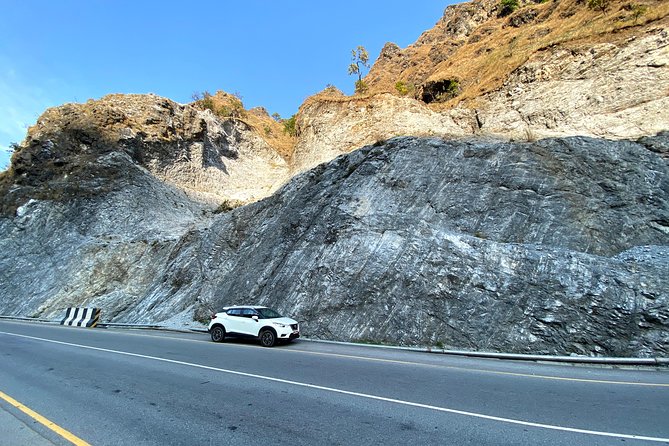
From Pokhara, a private or shared vehicle takes trekkers to Nayapul or another designated starting point of the trek. The drive typically takes about 1.5 to 2 hours.
The road journey passes through small villages, terraced farmland, and river valleys before reaching the trekking trailhead. At the end of the trek, transportation is arranged from Jhinu Danda or Nayapul back to Pokhara.
Private transportation offers greater comfort, flexibility, and time efficiency. It allows you to stop for photos, adjust departure times, and travel at your own pace.
Public transport, including tourist buses or shared jeeps, is more budget friendly but follows fixed schedules and may be less flexible.
For trekkers seeking a smooth and relaxed experience, private transport is often recommended, especially for group departures or family travel.
The Annapurna Base Camp Short Trek package is designed to provide a well organized and hassle free trekking experience. Understanding what is included and excluded helps you plan your budget effectively.
A standard package typically includes accommodation in tea houses during the trek, three meals per day while trekking, an experienced licensed guide, and porter services based on group size.
Required trekking permits, including the Annapurna Conservation Area permit and TIMS card, are usually arranged and included. Transportation between Pokhara and the trek starting point is also commonly covered.
In addition, government taxes, guide insurance, and administrative fees are generally part of the package. These inclusions ensure safety, comfort, and professional support throughout the journey.
International airfare to Nepal, Nepal entry visa fees, travel insurance, and personal trekking equipment are typically not included.
Expenses such as hot showers, WiFi, charging fees, bottled drinks, snacks, tips for guides and porters, and personal purchases are also excluded. Lunch and dinner in Kathmandu and Pokhara are often not covered unless specified.
Being aware of these exclusions helps avoid unexpected expenses during your trek.
Trekkers may choose to add optional services for greater comfort and flexibility. These can include domestic flights between Kathmandu and Pokhara, private vehicle upgrades, extra hotel nights, or single room accommodation.
Other popular add-ons include hiring an additional porter, extending the trek to include Poon Hill, or upgrading hotel categories in Pokhara.
These optional services allow you to customize the Annapurna Base Camp Short Trek according to your preferences, budget, and travel schedule.
Hiring professional support for your Annapurna Base Camp Short 10 Days Trek enhances safety, comfort, and overall trekking experience. While the trail to Annapurna Base Camp is well established, having experienced local staff makes the journey more organized and enjoyable.
A licensed guide provides far more than navigation. They offer in-depth knowledge about the Annapurna region, local culture, mountain geography, and daily trail conditions. Guides are trained in altitude awareness, first aid, and emergency response, which is especially important above 3,000 meters.
They also handle logistics such as accommodation arrangements, meal coordination, and permit checks at various checkpoints. In case of weather changes or health concerns, a guide can adjust the plan responsibly.
For first-time trekkers or those on a short itinerary, hiring a licensed guide ensures peace of mind and a smoother trekking experience.
Porters play a vital role in making the trek physically manageable. They carry heavy duffel bags so trekkers can walk comfortably with a light daypack.
Typically, one porter carries up to 20 to 25 kilograms in total, which is usually shared between two trekkers. For ethical trekking practices, responsible agencies ensure weight limits are respected and that porters are equipped with proper clothing and insurance.
Using porter services allows trekkers to conserve energy, reduce physical strain, and enjoy the scenery without excessive load.
Professional trekking agencies provide insurance coverage for their guides and porters, including medical and emergency evacuation coverage. This ensures that staff are protected while working in high-altitude environments.
Safety protocols include regular health checks during the trek, monitoring for altitude sickness symptoms, and maintaining communication with local authorities if necessary.
Choosing a reputable company ensures that both trekkers and staff are supported throughout the journey.
Travel insurance is strongly recommended for anyone trekking to Annapurna Base Camp. While the route is considered moderate, it reaches 4,130 meters, where altitude-related risks increase.
Although the trek is well supported by tea houses and local services, unexpected situations such as altitude sickness, injury, or sudden weather changes can occur.
In remote mountain regions, medical facilities are limited. In serious cases, helicopter evacuation may be required. Without proper insurance coverage, evacuation costs can be very expensive.
For this reason, comprehensive travel insurance is considered essential before starting the trek.
Your insurance policy should specifically cover high-altitude trekking up to at least 4,500 meters. It should include emergency medical treatment, hospitalization, and helicopter rescue services.
Trip cancellation, baggage loss, and travel delay coverage are also recommended for additional protection.
Trekkers should carefully read policy details to confirm altitude limits and evacuation coverage before purchasing insurance.
In case of severe altitude sickness or injury, helicopter evacuation may be arranged from villages along the route. The evacuation process typically involves coordination between your guide, local authorities, and the insurance provider.
Immediate communication with the insurance company is necessary to authorize rescue services. Most evacuations are transported to medical facilities in Pokhara or Kathmandu for treatment.
With proper insurance and professional guidance, trekkers can confidently explore Annapurna Base Camp knowing that emergency support is available if required.
Packing properly for the Annapurna Base Camp Short 10 Days Trek is essential for comfort and safety. The trek reaches Annapurna Base Camp at 4,130 meters, where temperatures can drop significantly, especially at night. Layering, lightweight gear, and practical essentials are key to a successful trek.
Clothing should be layered to adapt to changing temperatures from lower villages to high alpine terrain. A moisture-wicking base layer, an insulating mid-layer such as fleece or down jacket, and a waterproof outer shell are highly recommended.
Comfortable trekking pants, thermal innerwear for higher elevations, gloves, a warm hat, and a sun hat are necessary. Good quality trekking socks and broken-in hiking boots with ankle support are extremely important for long walking days.
Weather in the Annapurna region can change quickly, so carrying a lightweight rain jacket is always advisable, even during peak seasons.
A durable backpack or duffel bag is required, depending on whether you hire a porter. Trekkers should carry a daypack with water bottles, sunscreen, sunglasses, a headlamp, and personal snacks.
Trekking poles are highly recommended, especially for steep ascents and long descents around villages like Chhomrong. A reusable water bottle with purification tablets or a water filter is environmentally responsible and practical.
Other useful items include a sleeping bag suitable for cold temperatures, power bank for charging devices, and basic first aid supplies.
Personal hygiene items should be kept lightweight and minimal. Essentials include a toothbrush, toothpaste, small towel, biodegradable soap, hand sanitizer, and wet wipes.
Lip balm, sunscreen with high SPF, and moisturizer are important due to strong mountain sun and dry air at altitude. Basic medications, blister treatment supplies, and personal prescriptions should also be included.
Keeping toiletries compact helps reduce overall luggage weight, making trekking more comfortable.
Trekkers must carry their passport copy, trekking permits, travel insurance documents, and passport-sized photographs. It is also wise to keep digital copies stored on your phone or email.
Having accessible documentation ensures smooth permit checks and quick response in case of emergency.
Safety is a top priority during the Annapurna Base Camp Short Trek. Although the trail is well established and supported by tea houses, high-altitude trekking always requires proper precautions and emergency planning.
In the event of serious altitude sickness, injury, or medical emergency, helicopter evacuation can be arranged from villages along the trekking route. The process typically involves coordination between your guide, local authorities, and your insurance provider.
Evacuations are usually directed to medical facilities in Pokhara or Kathmandu for treatment.
Quick decision making is critical in high-altitude emergencies, which is why trekking with experienced guides significantly improves response time and safety.
Mobile network coverage is available in many lower villages but becomes limited at higher elevations. Some tea houses offer WiFi services for an additional charge, although connectivity may be slow.
Guides typically carry mobile phones and maintain communication with local offices. In emergency situations, coordination with rescue services is handled promptly through available communication channels.
A professional trekking team includes licensed guides and trained porters who monitor trekkers’ health and well-being throughout the journey. Guides are trained in first aid and altitude awareness, ensuring early detection of potential health issues.
Local support teams also assist with accommodation arrangements, weather updates, and route management. Their experience and familiarity with the Annapurna region provide trekkers with confidence and reassurance throughout the trek.
With proper preparation, responsible planning, and professional support, the Annapurna Base Camp Short Trek becomes a safe, rewarding, and unforgettable Himalayan adventure.
Choosing between the short 10 days itinerary and the classic longer itinerary depends on your schedule, fitness level, and trekking goals. Both routes lead to Annapurna Base Camp at 4,130 meters, offering spectacular Himalayan views and cultural experiences. However, the pace and overall experience differ.
The Short 10 Days Trek is designed for trekkers with limited time who still want to experience the full Annapurna Base Camp journey. It follows a more direct route with fewer acclimatization or exploration days. Walking hours may be slightly longer on certain days to fit the schedule.
The Classic ABC Trek usually ranges from 12 to 14 days. It often includes additional side trips such as Poon Hill or extra village stays. The longer itinerary allows for a more relaxed pace, gradual altitude gain, and additional cultural immersion.
In summary, the short trek focuses on efficiency and highlights, while the classic itinerary emphasizes a slower, more immersive Himalayan experience.
If you have limited vacation time, good physical fitness, and prefer a well paced yet efficient adventure, the Short 10 Days Trek is an excellent option. It provides the core Annapurna Base Camp experience without unnecessary detours.
If you prefer a relaxed schedule, more acclimatization time, and added viewpoints such as Poon Hill, the classic itinerary may be better suited for you. It is particularly ideal for first-time trekkers who want a gentler progression.
Both options reward trekkers with breathtaking mountain panoramas and a memorable journey through the Annapurna region. The right choice depends on your available time, physical condition, and travel preferences.
The Annapurna region is one of Nepal’s most treasured natural landscapes. Practicing responsible trekking helps preserve the environment and supports the local communities that make this journey possible.
Trekkers are encouraged to minimize plastic waste by carrying reusable water bottles and avoiding single use plastics. Using water purification methods instead of buying bottled water significantly reduces environmental impact.
Staying on marked trails prevents soil erosion and protects fragile vegetation. Respecting wildlife and avoiding littering are essential practices in maintaining the natural beauty of the Annapurna area.
Choosing locally operated trekking companies also contributes to sustainable tourism and responsible mountain travel.
Tea houses, guides, porters, and local transportation services are vital sources of income for mountain communities. By staying in locally owned lodges and hiring licensed local staff, trekkers directly contribute to village economies.
Purchasing local products and respecting cultural traditions strengthen the relationship between visitors and host communities. Responsible tourism ensures that trekking benefits both travelers and residents.
Following Leave No Trace principles is fundamental during the trek. This includes packing out non biodegradable waste, disposing of waste properly, and minimizing environmental disturbance.
Avoiding unnecessary noise, respecting local customs, and conserving water and energy resources are also important practices.
Sustainable trekking ensures that future generations can continue to enjoy the extraordinary beauty of Annapurna Base Camp while preserving its natural and cultural heritage.
Excellent 300+ Reviews & Recommendations From: TripAdvisor / Google / Facebook
Here are answers to the most common questions travelers ask before booking the Annapurna Base Camp Short Trek. Whether you're new to trekking in Nepal or comparing your options, this section will help you feel informed and confident about your journey.
The ABC Short Trek is considered moderate in difficulty. You’ll be walking 5–6 hours per day on well-established trails with gradual altitude gain. No technical climbing is involved, but a reasonable level of fitness and stamina is recommended. First-time trekkers with good health and motivation can complete this trek successfully.
Yes, you need two permits: the Annapurna Conservation Area Permit (ACAP) and the TIMS Card (Trekkers’ Information Management System). Both are included in your package and arranged by Himalayan Magic Treks before the trek starts
You’ll be staying in locally-run teahouses or lodges, which offer basic twin-sharing rooms with simple beds and blankets. Facilities vary by location, lower villages may have private toilets and hot showers, while higher altitudes offer more basic amenities. It’s a cozy and culturally rich experience, and a great way to meet fellow trekkers.
The best seasons are spring (March to May) and autumn (September to November). These months offer the clearest mountain views, stable weather, and colorful landscapes. Winter is possible but colder, while monsoon (June–August) can bring heavy rain and leeches on the lower trail.
While the maximum altitude is 4,130m at Annapurna Base Camp, the risk of serious altitude sickness is low due to the gradual ascent. Our 10-day itinerary is carefully designed to minimize risk by pacing the climb sensibly. You’ll also be briefed on altitude awareness by our guide, who is trained to handle any issues.
You’ll need essentials like trekking boots, warm clothing layers, a down jacket, rain gear, a headlamp, water purification tablets, and a sleeping bag (which we can help you rent). A full packing checklist will be provided upon booking. We recommend keeping your backpack light but efficient.
Yes, all meals (breakfast, lunch, and dinner) are included while on the trek. You’ll eat at the teahouses along the trail, with options like dal bhat, pasta, noodles, potatoes, soups, and sometimes limited Western dishes. Vegetarian and vegan meals are widely available.
You can book this trek solo, with a partner, or in a group. We organize both private departures and group join-ins, depending on your preference. A certified guide will always accompany you for safety, support, and local insight.
You can book directly through our website or by email. A 30% deposit is required to confirm your trek, and the remaining balance is payable before the trek begins. We accept bank transfers, cash, or online payment methods. All details will be clearly shared during the booking process.
Airport transfers and Pokhara hotel stays are not included in the base package, but we’re happy to help you arrange them upon request. Most trekkers arrive in Pokhara the day before the trek begins and relax by the lake.
Yes, we strongly recommend travel insurance that covers high-altitude trekking, emergency evacuation (helicopter if needed), and medical treatment. It’s essential for your safety and peace of mind while trekking in the Himalayas.
You’ll be guided by a licensed, English-speaking trekking guide with deep knowledge of the Annapurna region. All guides are trained in first aid and altitude safety, and most are from local mountain communities. Porters and assistant staff are also part of the Himalayan Magic Treks family and are treated ethically and fairly.
Response Time 0-2 Hours , Response Rate 100%
You may also like
Begin On The 13 Days Annapurna Base Camp Trek. Explore Diverse Landscapes, Vibrant Villages, And Majestic Himalayan Peaks. A Journey Of Adventure And Unforgettable Memories Awaits! View Details →
Embark On The Ultimate Everest Base Camp Trek With Himalayan Magic Treks. Explore Sherpa Culture, Breathtaking Himalayan Vistas, Sagarmatha National Park, And Iconic Landmarks In This 14-day Unforgettable Journey To The Heart Of Mount Everest. View Details →
Experience The 10-day Langtang Valley Trek With Himalayan Magic Treks. Explore Kyanjin Gompa, Glacier Views & Tamang Culture In Nepal's Pristine Highlands. View Details →


 30 Minutes’ Drive
 Standard Hotel
 Breakfast, Lunch, Dinner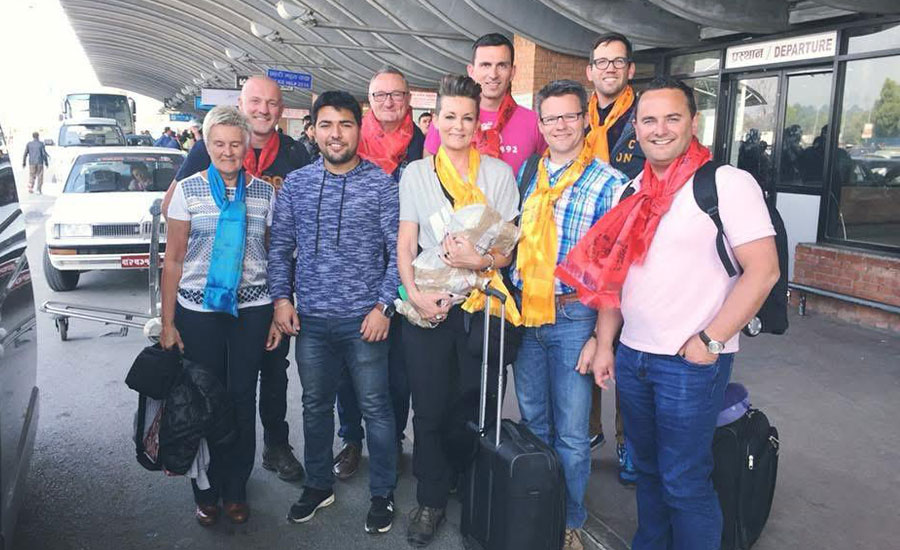


7 Days Of Pure Himalayan Magic
I Had Limited Time In Nepal And Wasn’t Sure I Could Experience The Annapurna Region Properly In Just A Week—but Himalayan Magic Treks Proved Me Wrong. The 7-day ABC Short Trek Was Brilliantly Organized, Striking The Perfect Balance Between Efficiency And Enjoyment. Our Guide, Ramesh, Was Patient, Humorous, And Incredibly Knowledgeable About Local Culture And Geography.
The Views From Machapuchare Base Camp And Annapurna Base Camp Were Beyond Anything I Imagined—truly Awe-inspiring. Despite The Fast Pace, The Trek Never Felt Rushed. The Teahouse Accommodations Were Clean And Comfortable, And The Meals Were Warm And Filling. I Appreciated How The Team Made Sure We Acclimatized Well And Checked On Our Health Daily. This Trip Exceeded Every Expectation, And I’m Already Planning My Return.
Efficient Trek, Unforgettable Moments
As Someone With Only 10 Days In Nepal, I Was Looking For A Short But Meaningful Trekking Experience—and The 7-day Annapurna Base Camp Trek Hit The Mark Perfectly. Himalayan Magic Treks Managed Every Detail Smoothly, From Permits To Daily Logistics. Our Guide, Nabin, Had A Genuine Passion For The Mountains, And His Calm, Confident Leadership Gave Our Group A Sense Of Ease From Day One.
The Sunrise At Annapurna Base Camp Was Surreal. Even In April, We Had Snow-capped Peaks, Blooming Rhododendrons, And Crystal-clear Skies. The Porters Were Friendly And Took Great Care Of Our Belongings. The Professionalism Of The Entire Team, Paired With The Majestic Landscapes, Made This A Highlight Of My Travels. Highly Recommended For Anyone Short On Time But Hungry For Adventure.
Compact, Challenging, And Completely Worth It
The 7-day ABC Short Trek Is Intense—but Absolutely Rewarding. I Booked Through Himalayan Magic Treks After A Recommendation From A Friend, And I’m So Glad I Did. Everything Ran Like Clockwork: We Were Picked Up Right From The Airport, Had A Helpful Briefing Before The Trek, And All Our Logistics Were Handled Efficiently Throughout The Trip.
The Trek Itself Was No Walk In The Park—some Of The Ascents Were Tough—but Our Guide Dinesh Made It Manageable With Encouragement And Smart Pacing. The Tea Houses Were Surprisingly Cozy, And I Never Felt Unsafe Or Unprepared. I Especially Appreciated How The Team Adjusted Our Route Slightly To Avoid A Landslide Area—safety Was Clearly A Priority. I Left With Sore Legs, A Full Heart, And Photos I’ll Treasure For Life.
Short Trek, Lifelong Memories
This Was My First Time Trekking In The Himalayas, And I Chose The 7-day Annapurna Base Camp Short Trek Because It Fit Perfectly Into My Schedule. What I Didn’t Expect Was How Emotionally Connected I’d Feel To The Journey. The Trail Was A Beautiful Mix Of Mountain Views, Terraced Farmland, And Peaceful Villages.
Our Guide, Karma, Felt More Like A Friend Than A Tour Leader. He Shared Stories About His Childhood In The Region And Even Taught Us A Few Nepali Phrases. The Personal Attention From The Himalayan Magic Treks Team Made All The Difference—from The Early-morning Tea Before Hiking To The Check-ins After Long Days. They Truly Care About Each Trekker’s Experience. I’ll Never Forget The Feeling Of Standing At Base Camp Surrounded By The Annapurna Range.
Seamless Trek With A Heartfelt Local Touch
I’ve Done Treks In Patagonia And The Alps, But Nothing Compares To This. The 7-day Annapurna Base Camp Short Trek Was Perfectly Curated By Himalayan Magic Treks. The Pace Was Brisk But Manageable, And They Ensured We Made The Most Of Every Moment. What Set This Experience Apart Was The Genuine Hospitality—our Guide, Bikash, Knew Every Tea House Owner By Name, And That Created Such A Warm, Welcoming Vibe.
From Arranging Clean, Comfortable Stays To Making Sure Our Food Preferences Were Respected, The Logistics Were Flawless. The Mountain Views Were Jaw-dropping, Especially At Sunrise At ABC, But It Was The Care And Character Of The Team That Made This Unforgettable. I Can’t Recommend Them Enough—this Is How Trekking In Nepal Should Be Done.