Manang: Himalayan Gem On The Annapurna Circuit
By Himalayan Magic Treks On 16 Sep 2025

Quick Contact
By Himalayan Magic Treks On 16 Sep 2025

Imagine standing at 3,519 meters above sea level, where the air is crisp, the peaks of the Annapurna range tower above, and prayer flags flutter in the wind. This is Manang, one of the most enchanting villages in Nepal. For trekkers on the legendary Annapurna Circuit Trek, Manang is more than just a stop—it’s a sanctuary for acclimatization, cultural exploration, and breathtaking views.
In this blog, we’ll take you through everything you need to know about Manang: its history, landscapes, trekking highlights, and practical tips to make your adventure smooth and unforgettable. Whether you’re planning your first trek in Nepal or are a seasoned mountain lover, Manang will leave an indelible mark on your journey.
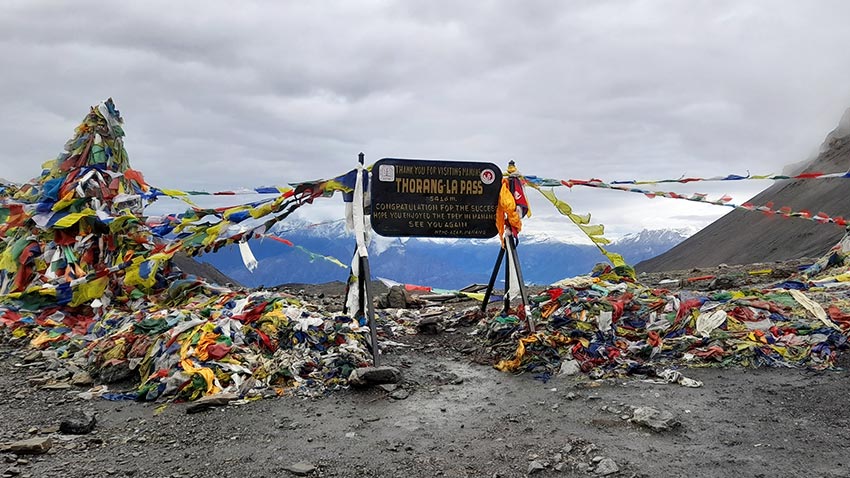
Manang lies in the heart of the Annapurna Conservation Area, tucked between towering mountains and arid cliffs. Located in north-central Nepal, this village is often considered the "crown jewel" of the Annapurna Circuit. Sitting along the Marsyangdi River Valley, Manang serves as a strategic resting point before the challenging ascent to Thorong La Pass (5,416 m).
The region is divided into two parts:
Lower Manang (Pisang Valley): Lush forests, farmlands, and riverside villages.
Upper Manang: A high-altitude desert with dramatic cliffs, Tibetan-influenced culture, and wide mountain vistas.
For centuries, Manang has been a crossroads of trade between Nepal and Tibet. Traders used to bring salt, wool, and livestock across the high Himalayan passes. Over time, the locals developed a unique culture blending Tibetan Buddhist traditions with Nepalese customs.
Walking through the village, you’ll notice:
Stone houses with flat roofs designed to withstand harsh winters.
Ancient monasteries like Braga Monastery, perched dramatically on a cliff.
Chortens and prayer wheels, where locals and trekkers alike spin wheels while chanting mantras.
Festivals like Yartung, celebrated with horse races and dances in honor of the local deities.
The people of Manang are known as Manangis, and they have preserved their heritage despite growing tourism. Staying here offers travelers a chance to experience Himalayan hospitality firsthand.
Manang isn’t just a place to pass through—it’s a destination in itself. Here’s why:
At 3,500+ meters, Manang is the perfect place to rest and adapt before tackling Thorong La Pass. Trekkers typically spend 2 nights here, using the time to explore side hikes while their bodies adjust to the altitude.
From Manang, you can enjoy some of the best short hikes on the Annapurna Circuit:
Ice Lake (Kicho Tal, 4,600 m): A challenging but rewarding hike with panoramic views of Annapurna II, Gangapurna, and Tilicho Peak.
Tilicho Lake (4,919 m): Known as one of the world’s highest lakes, a side trip from Manang adds a few days but is unforgettable.
Gangapurna Lake: Just a short walk from the village, this turquoise glacial lake offers stunning photo opportunities.
From the village itself, you’ll see Annapurna II, III, IV, Gangapurna, and Tilicho Peak. The surrounding landscapes shift from green valleys to stark, desert-like cliffs, giving you the feeling of walking on another planet.
Manang is a living museum. Visiting the Manang Cultural Museum, monasteries, and local homes gives you insights into Himalayan life that you won’t find in guidebooks.
Spring (March–May): Rhododendrons bloom, temperatures are moderate.
Autumn (September–November): Clear skies and stable weather make this the peak trekking season.
Winter (December–February): Very cold, with heavy snow making passes difficult.
Monsoon (June–August): Risk of landslides and muddy trails, but fewer crowds.
While reaching Manang doesn’t require mountaineering skills, you’ll need:
Moderate fitness for 5–7 hours of trekking daily.
Acclimatization days to avoid Acute Mountain Sickness (AMS).
A slow, steady pace—especially above 3,000 meters.
Manang offers some of the best teahouses on the Annapurna Circuit. Expect:
Cozy wooden lodges with basic but comfortable rooms.
Menus with both Nepali and Western dishes (dal bhat, pasta, pizza).
Local specialties like yak cheese and buckwheat pancakes.
Permits: Annapurna Conservation Area Permit (ACAP) + TIMS card.
Daily expenses: Around USD $30–40 per day for food and lodging.
Side trips: Hiring a guide for Tilicho Lake or Ice Lake can cost extra but is worth it.
Altitude sickness is one of the biggest challenges of high-altitude trekking. Manang is strategically placed as a mandatory acclimatization stop. Most itineraries include two nights here, with a “rest day” involving light hikes to higher elevations (like Ice Lake or Praken Gompa) before descending to sleep at the village altitude. This “climb high, sleep low” method significantly reduces the risk of AMS.
Manang is often compared to nearby Mustang, as both are high-altitude, semi-arid regions with Tibetan culture. The difference?
Manang is greener, more connected, and directly on the Annapurna Circuit.
Mustang (especially Upper Mustang) is more remote and known for its “forbidden kingdom” aura.
For trekkers, Manang offers a perfect balance of accessibility and authenticity.
With over 15 years of guiding travelers, we’ve gathered insights that can enhance your Manang experience:
Spend your acclimatization day hiking to Ice Lake—challenging but unforgettable.
Try local yak cheese produced at the Manang Cheese Factory.
Visit Braga Monastery in the early morning for peaceful prayers and sunrise views.
Carry cash, as ATMs are unreliable in the region.
Hire a local guide—they not only enhance safety but also unlock cultural stories you might otherwise miss.
Manang isn’t just a stop along the Annapurna Circuit—it’s the beating heart of the journey. From its unique culture to awe-inspiring landscapes, from glacial lakes to ancient monasteries, Manang embodies the essence of trekking in Nepal.
If you’re planning your adventure on the Annapurna Circuit Trek, don’t just see Manang as a rest point. Stay longer, explore deeper, and let its spirit inspire you.
Ready to experience the beauty of Manang and the challenge of Thorong La Pass? Join us at Himalayan Magic Treks for expertly guided treks with local insight and 15+ years of trusted experience.
👉 Explore our full Annapurna Circuit Trek package or contact us today to start planning your Himalayan adventure.
Discover more articles that match your interests! Explore these similar blogs packed with insights, tips, and stories to keep you inspired.
Discover Thorong La Pass (5416m), the world’s longest trekking pass on the Annapurna Circuit. Learn history, highlight...