Everest Base Camp Trek 15 Things No One Tells You Before You Go
By Himalayan Magic Treks On 26 Apr 2026

Quick Contact
By Himalayan Magic Treks On 26 Apr 2026
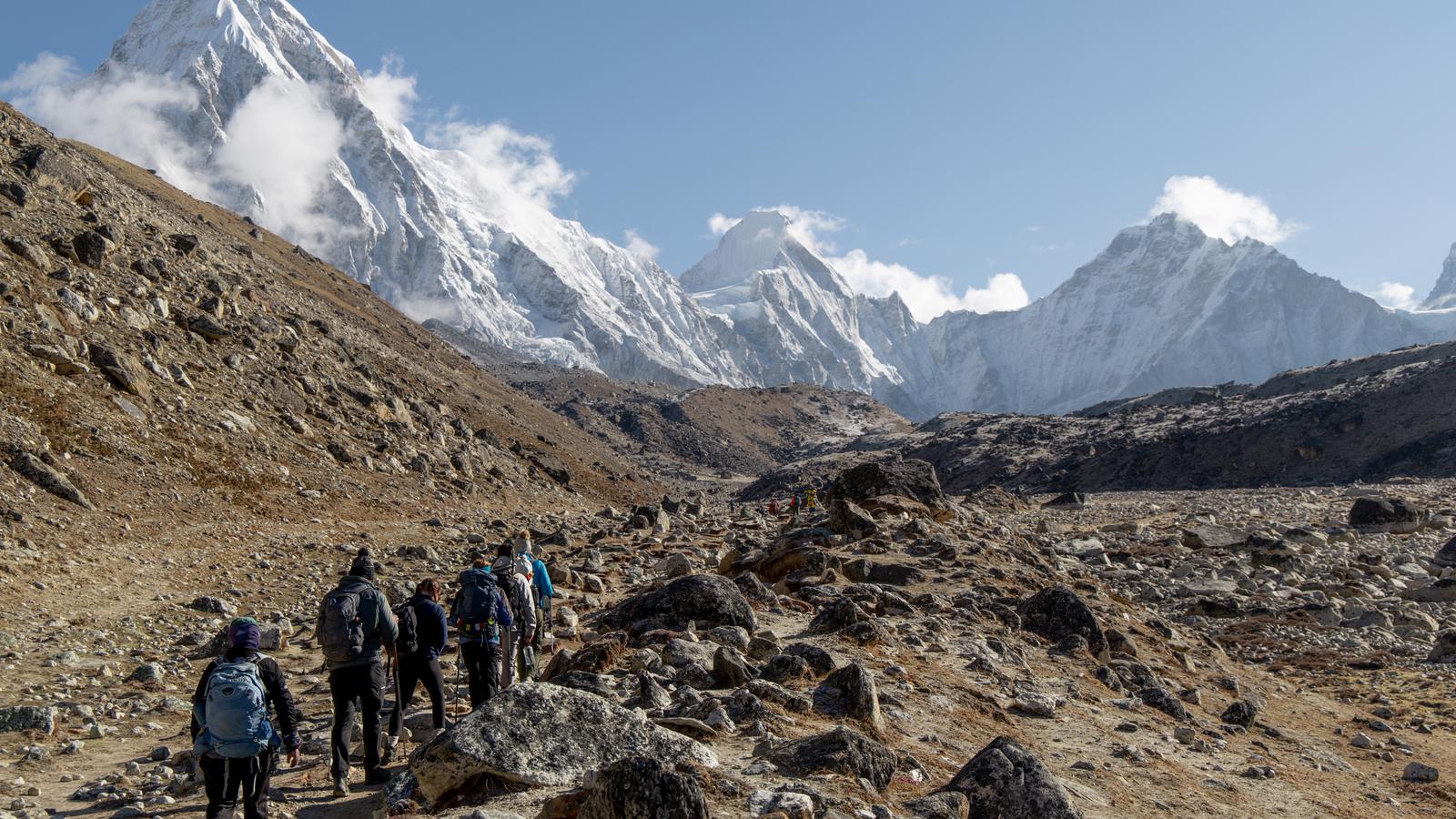
The journey to Everest Base Camp is often described as a once-in-a-lifetime adventure. Towering Himalayan peaks, rich Sherpa culture, and the thrill of standing at the base of the world’s highest mountain make it one of the most sought-after treks globally.
But while thousands of blogs talk about how “beautiful” and “life-changing” the trek is, very few tell you the real, practical truths that can make or break your experience.
This guide is designed to bridge that gap.
If you are planning your trek with a trusted operator like Himalayan Magic Treks, this article will help you prepare beyond the usual checklist and give you insights that most first-time trekkers only learn the hard way.
The Everest Base Camp Trek lies in Nepal’s Khumbu Region, a remote yet well-developed trekking area in the Himalayas. The adventure typically begins with a thrilling flight to Tenzing-Hillary Airport, often considered one of the most exciting airports in the world.
A standard itinerary lasts 12 to 14 days, reaching a maximum elevation at Kala Patthar, which stands at 5,545 meters. While Everest Base Camp itself sits at 5,364 meters, Kala Patthar offers the best panoramic view of Mount Everest.
The trek is categorized as moderately difficult. It does not require technical climbing skills, but the combination of altitude, long walking days, and basic facilities makes it physically and mentally demanding.
Many trekkers underestimate the Everest Base Camp Trek because of its popularity. They assume that since thousands of people complete it every year, it must be straightforward.
That assumption often leads to:
Understanding the realities of the trek will help you:
Most people focus heavily on physical training before the trek. While fitness is important, mental endurance plays an even bigger role.
You will walk for 5 to 7 hours daily, often on uneven terrain. Some days feel long and repetitive. The ability to stay motivated, patient, and calm is what truly determines your success.
One of the biggest misconceptions is that fit people are immune to altitude sickness. This is completely false.
Altitude sickness can affect anyone, regardless of age or fitness. Symptoms include headache, nausea, dizziness, and fatigue.
Proper acclimatization, hydration, and a slow pace are essential. This is why a well-planned itinerary, like the one offered by Himalayan Magic Treks, includes rest days in key locations.
The flight to Tenzing-Hillary Airport is a major highlight, but it is also one of the most unpredictable parts of the journey.
Weather conditions in the mountains change rapidly, causing frequent delays and cancellations. It is wise to keep buffer days in your schedule or consider helicopter alternatives if time is limited.
Tea houses along the trail provide essential accommodation, but expectations need to be realistic.
Rooms are simple, usually with twin beds and shared bathrooms. Heating is limited, especially at higher altitudes.
However, what they lack in luxury, they make up for in warmth, hospitality, and authenticity.
Everything in the Everest region is transported by porters or yaks. As you ascend, prices increase significantly.
A meal that costs a few dollars in Lukla may double or triple in higher villages. Budget planning is important, especially for food, snacks, and drinks.
Dal Bhat remains the most popular and reliable meal, providing energy and free refills in many places.
Hot showers are not always available, and when they are, they often come at an extra cost.
At higher altitudes, many trekkers skip showers altogether due to freezing temperatures. Carrying wet wipes and maintaining basic hygiene becomes essential.
Electricity and internet access are limited resources in the mountains.
You will often need to pay to charge your devices or use Wi-Fi. Carrying a power bank and managing device usage wisely can save both money and inconvenience.
During peak seasons like spring and autumn, the Everest trail becomes busy.
Popular stops such as Namche Bazaar can feel crowded. Lodges may fill up quickly, which is why booking with an experienced company ensures proper arrangements.
The Himalayan weather is unpredictable. A clear morning can turn into a snowy afternoon within hours.
Layering your clothing is essential. Being prepared for sudden changes can make a huge difference in comfort and safety.
Many trekkers focus only on reaching Everest Base Camp, but the real beauty lies in the journey.
The trail passes through vibrant Sherpa villages, suspension bridges, monasteries, and breathtaking landscapes. Places like Namche Bazaar offer cultural experiences that are just as memorable as the final destination.
This surprises many trekkers.
From Everest Base Camp itself, Mount Everest is not clearly visible. The best view comes from Kala Patthar, especially at sunrise.
This viewpoint is often considered the true highlight of the trek.
Even though the distances may not seem long on paper, the terrain makes the trek more demanding.
Daily walking hours can extend due to altitude, weather, and trail conditions. Patience and pacing are key.
At higher altitudes, many trekkers experience a loss of appetite and difficulty sleeping.
This is normal. Eating regularly and staying hydrated are critical for maintaining energy levels.
Overpacking is a common mistake.
You will need:
Keeping your backpack light will significantly improve your trekking experience.
Despite the challenges, the Everest Base Camp Trek is deeply rewarding.
The sense of achievement, the connection with nature, and the simplicity of life in the mountains often leave a lasting impact. Many trekkers return with a new perspective on life.
The best time for the trek is during spring (March to May) and autumn (September to November). These seasons offer stable weather and clear mountain views.
Permits required include:
Hiring a guide is highly recommended for safety, navigation, and cultural insights. Himalayan Magic Treks provides experienced guides who ensure a smooth and well-organized journey.
A typical itinerary includes:
Day 1: Fly to Lukla and trek to Phakding
Day 2: Trek to Namche Bazaar
Day 3: Acclimatization day in Namche
Day 4–6: Trek through Tengboche, Dingboche
Day 7: Acclimatization in Dingboche
Day 8–9: Trek to Lobuche and Gorakshep
Day 10: Visit Everest Base Camp and hike to Kala Patthar
Day 11–13: Return to Lukla
The total cost depends on the level of service:
Budget trekking includes basic tea houses and shared services.
Standard packages, such as those offered by Himalayan Magic Treks, include:
Additional costs include:
It is moderately difficult, mainly due to altitude rather than technical challenges.
Yes, with proper preparation and a well-paced itinerary.
Temperatures can drop below freezing, especially at night.
Yes, but it is limited and often paid.
It is strongly recommended for safety and convenience.
The Everest Base Camp Trek is not just a physical journey. It is an emotional and mental adventure that challenges and rewards you in equal measure.
Understanding these 15 lesser-known truths will help you approach the trek with the right mindset, ensuring a safer and more enjoyable experience.
If you are ready to take on this incredible journey, choosing the right trekking company makes all the difference.
Himalayan Magic Treks offers professionally guided experiences with carefully designed itineraries, ensuring safety, comfort, and unforgettable memories.
Start your journey today by exploring the complete trek details here:
https://www.himalayanmagictrekking.com/everest-base-camp-trek
Discover more articles that match your interests! Explore these similar blogs packed with insights, tips, and stories to keep you inspired.
Planning the Everest Base Camp Trek in 2025? Discover everything you need to know—from itinerary, cost, gear list, and...
Planning an Everest Base Camp trek in 2025? Discover the best time to go with this expert seasonal guide from Himalayan ...
Discover the best Everest Base Camp trek itinerary for you—standard 16 days, short trek, or custom options. Plan with ...
Wondering how hard the Everest Base Camp Trek is? Learn about the difficulty, terrain, altitude, and tips to prepare for...
Wondering what to pack for Everest Base Camp Trek? Here\'s your expert-recommended, complete packing list with gear tips...
Wondering how much the Everest Base Camp Trek costs? Here’s a detailed cost breakdown of permits, gear, flights, guide...